

Why Does Music Give You Goosebumps?
Why Does Music Give You Goosebumps?
Your arms figure it out before your brain can put it into words. Here is the science behind the shiver, and why it hits hardest when the orchestra is right there in the room with you.
- Why your brain predicts the next note.
- What dopamine has to do with musical chills.
- Why an old song can unlock a memory.
- Why live music can hit harder than a recording.
Researchers have a name for this jolt. They call it frisson, or more casually, musical chills, and they have spent decades chasing it through brain scanners and listening labs. Their answer has less to do with sound waves than with your brain’s guesses about what comes next. It involves your expectations and your memories as much as your brain chemistry. One of music’s oldest tricks sets the whole thing in motion: making you wait for something you know is coming.
Your Brain Is Listening Ahead
Nobody hears music one note at a time. From the opening bars, your brain runs a forecast, guessing where the melody wants to go and when the rhythm will shift. You do not need a conservatory degree to play this game, either. A lifetime of lullabies and car radio has trained you well. You can sense when a phrase sounds unfinished or when a crescendo is building toward a payoff.
Composers have exploited that instinct for centuries, and scientists eventually caught up with them. Back in 1956, the philosopher and music theorist Leonard Meyer argued that music’s emotional power comes from the way a composer choreographs a listener’s expectations. Decades later, Ohio State researcher David Huron turned that idea into a psychological theory in his book Sweet Anticipation. The book ties everyday musical devices like cadence and climax to the physiology of awe and spine-tingling chills.
Picture a passage that grows louder and more intense bar by bar. You can feel the arrival approaching, although you cannot pin down the exact second it will land. When it finally does, the orchestra erupts, and the melody resolves at last. Your body answers before your mind has a chance to explain why.
The Reward System Crashes the Party
In 2001, McGill University neuroscientists Anne Blood and Robert Zatorre slid musicians into a PET scanner. Each one brought along a piece of music that reliably gave them chills. As the chills intensified, blood flow shifted in regions tied to reward and emotion, including the ventral striatum and the amygdala. Those same structures fire up in response to food and sex. A string of notes with no obvious survival value was lighting up the same circuitry that keeps our species fed and reproducing.
A decade later, the Zatorre lab went after the chemical behind the curtain. Valorie Salimpoor and her colleagues combined two imaging techniques and published the results in Nature Neuroscience. Listeners released dopamine in the brain’s striatum at the peak of their emotional response, which surprised nobody. The real headline came from the timing. The caudate took the lead during the anticipation phase, while the nucleus accumbens took over during the peak itself. Your brain rewards the waiting and the arrival through two separate pathways.
The buildup matters, but the silence before the sound may matter most of all.
Pop culture likes to call dopamine the “feel-good chemical,” but that label sells it short. Dopamine drives wanting and anticipation as much as pleasure. In 2019, researchers from Barcelona and Montreal proved that it actually steers our musical experience. When volunteers took a drug that boosted dopamine, they enjoyed music more and wanted to hear it again. A drug that blocked dopamine dulled both responses. The dopamine blocker even impaired listeners’ ability to get chills at all. In other words, a great piece of music delivers pleasure long before the big moment arrives, and the buildup becomes part of the reward.
The Art of the Almost
Music that always does what you expect turns into wallpaper within minutes. Music that never does sounds like a car alarm. The magic lives in the gap between those extremes. A great piece establishes a pattern, then bends it just enough to keep you leaning forward.
British psychologist John Sloboda went looking for that gap in a landmark 1991 study, “Music Structure and Emotional Response”. He asked music lovers to pinpoint the exact passages that reliably triggered tears or shivers, then analyzed what the composers had done at those spots. Tears tended to cluster around appoggiaturas, those ornamental notes that rub against the harmony before sliding home. Shivers tended to follow sudden, unexpected harmonic turns. Composers like Mozart and Rachmaninoff knew none of the neuroscience, yet they engineered these moments with surgical precision anyway.
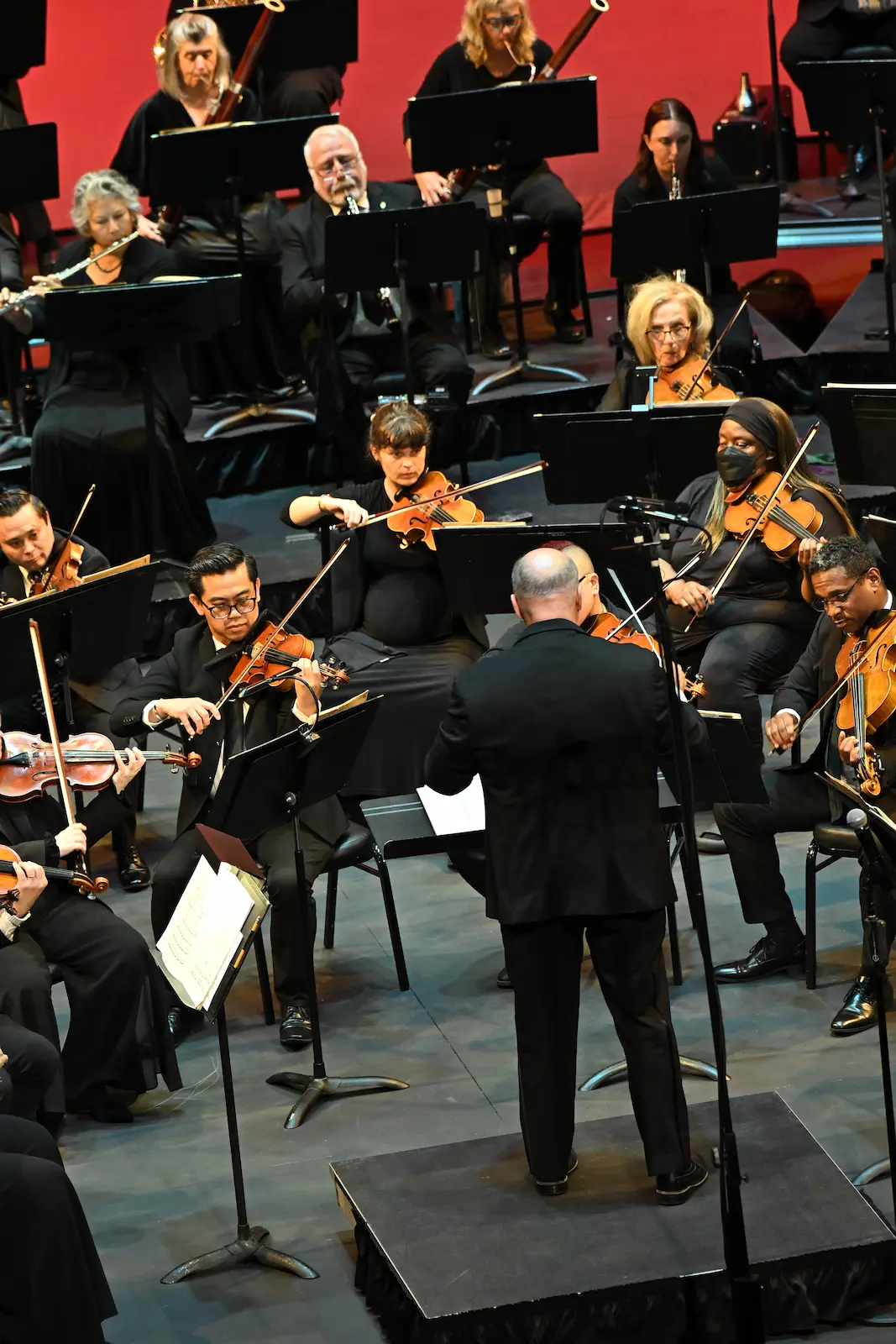
Sometimes the surprise is a familiar theme returning in a brand-new voice, when a melody the violins introduced comes back on a lone French horn. Sometimes the orchestra drops to a whisper exactly where you expected thunder. And sometimes the most powerful device in the entire toolbox is silence. A well-placed pause leaves your brain hanging in midair, still waiting for the pattern to continue. The longer the composer holds you there, the more the anticipation builds. Then the music comes crashing back in. Cue the goosebumps.
Memory Is the Hidden Soloist
Music also hitches a ride on your past. A few bars of a song can teleport you to a grandparent’s living room or a summer you had completely forgotten. Sometimes the memory arrives in vivid detail, and other times it arrives as nothing more than a feeling you cannot quite name.
UC Davis psychologist Petr Janata found a likely home base for that experience. He scanned listeners as they heard popular songs from their childhood. The results showed that the medial prefrontal cortex links familiar music with autobiographical memory. That region also anchors our sense of self. The songs attached to the strongest memories triggered the most vivid and emotional reactions. Brain activity in that region climbed right along with them. That hub sits just behind your forehead, and it ranks among the last brain regions to fade in Alzheimer’s disease. This may explain why music can still reach people when so much else has slipped away.
So nobody ever hears music as pure sound. You hear it through everything you have lived. Two people can sit side by side at the same concert and walk out feeling completely different things. Each one carried a different history into the hall. That also explains why a piece can grow more powerful as you get older. Every year adds new memories for the music to grab onto.
Why Live Music Hits Different
Headphones can absolutely give you chills, but a live orchestra plays in a different league. Sound stops being something you listen to and becomes something you feel in your sternum. Dozens of musicians breathe together and adjust to one another on the fly, and no two performances ever unfold the same way.
Science backs up what concertgoers have long suspected. A University of Zurich team led by Sascha Frühholz put that to the test in a 2024 PNAS study. Listeners lay in an MRI scanner while the researchers compared live piano performances with recordings. Live music stimulated the brain’s emotional center more strongly and more consistently than recorded music did. Only the live performances showed listeners’ brain activity syncing up with the music in real time. According to the university’s announcement, Frühholz traces that pull back to music’s evolutionary roots, when every note anyone ever heard was played live.
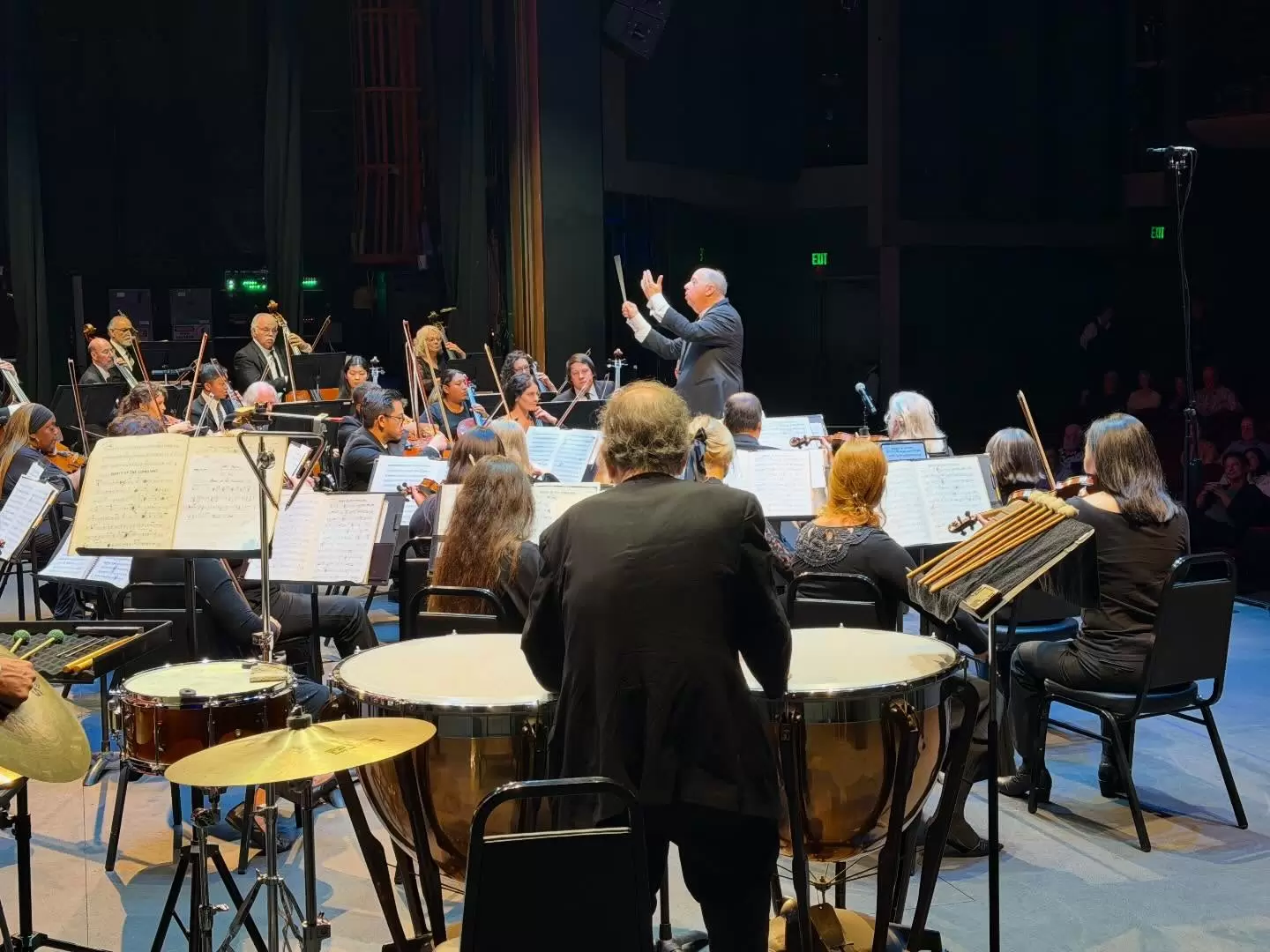
Then add the crowd. Hundreds of people arrive at the theater carrying different lives and different reasons for buying a ticket. For a couple of hours, every one of them listens to the same sound at the same instant. When a quiet passage makes the whole room seem to hold its breath, that shared attention becomes part of the music itself.
Not Everyone Gets the Chills
Here comes the plot twist. Plenty of people get musical chills all the time, while a surprising number rarely or never feel them. Even among the chill-prone, the triggers vary wildly. One listener melts at a soaring melody, while the next one waits all night for a single violin floating over near silence.
Matthew Sachs, then an undergraduate working with neuroscientist Psyche Loui, wanted to know why. After surveying 237 people, the team scanned ten who reliably got chills and ten who rarely or never did. The chill group showed stronger white matter connections between the brain’s auditory regions and areas that process emotion and social meaning. Loui later described those pathways as an auditory channel toward relating to other people.
At the far end of the spectrum, researchers in Barcelona identified a condition they call specific musical anhedonia. These otherwise healthy people perceive music perfectly well and still enjoy rewards like money. Yet their bodies show no autonomic response to music at all. No single piece on Earth guarantees goosebumps for everyone, and that unpredictability may be the most fascinating part of the whole phenomenon.
More Than Something We Hear
We tend to file music under entertainment, but our bodies keep insisting it runs much deeper. Our brains predict it and recognize its patterns. We attach our lives to it, and it still finds ways to ambush us. Every so often, all of those forces line up at exactly the right moment. The hair rises on our arms, and a chill travels the length of the spine.
For a few seconds, something made entirely of vibrating air becomes something you can physically feel. Science can map the dopamine and trace the white matter, but it has not fully solved that mystery yet. Maybe that is for the best, because the mystery happens to be one of music’s greatest pleasures.
Want to test the science on yourself? Come hear the La Mirada Symphony live at La Mirada Theatre, where the concerts are free, and the goosebumps are entirely your own business.
Further Listening (and Reading)
- Blood, A. J. & Zatorre, R. J. (2001). Intensely pleasurable responses to music correlate with activity in brain regions implicated in reward and emotion. PNAS.
- Salimpoor, V. N. et al. (2011). Anatomically distinct dopamine release during anticipation and experience of peak emotion to music. Nature Neuroscience.
- Ferreri, L. et al. (2019). Dopamine modulates the reward experiences elicited by music. PNAS.
- Huron, D. (2006). Sweet Anticipation: Music and the Psychology of Expectation. MIT Press.
- Sloboda, J. A. (1991). Music structure and emotional response: Some empirical findings. Psychology of Music.
- Janata, P. (2009). The neural architecture of music-evoked autobiographical memories. Cerebral Cortex.
- Trost, W. et al. (2024). Live music stimulates the affective brain and emotionally entrains listeners in real time. PNAS.
- Sachs, M. E. et al. (2016). Brain connectivity reflects human aesthetic responses to music. Social Cognitive and Affective Neuroscience.
- Mas-Herrero, E. et al. (2014). Dissociation between musical and monetary reward responses in specific musical anhedonia. Current Biology.