

Five Things You Never Knew About The Phantom of the Opera (1925)
Five Things You Never Knew About The Phantom of the Opera (1925)
A face the studio refused to show, a concrete opera house that stood for 90 years and a failed attempt at comedy. Here are five things you never knew about the 1925 silent classic.
- The face Universal refused to show.
- An opera house built of steel and concrete.
- The year the studio tried comedy.
- Free with a live orchestra on October 22.
From a makeup secret the studio refused to show to an opera house that stood on a Hollywood lot for nearly 90 years, the silent classic has a backstory as dramatic as anything on screen.
More than a century after its release, The Phantom of the Opera (1925) still casts a long shadow over Hollywood. Lon Chaney’s face beneath the mask, the vast opera house sets and the moody Paris catacombs gave horror filmmakers a visual vocabulary they continue to borrow. Yet the story behind the camera rivals the one in front of it. Universal Pictures adapted the film from Gaston Leroux’s 1910 novel at a time when the movie business was still inventing itself. Crews built sets by hand, effects happened in the camera, and actors told the story with their bodies because they had no voices to use.
Behind the scenes, the production lurched from one crisis to the next. The star and the director stopped speaking, the studio ordered expensive reshoots, and at one point executives tried to turn a Gothic tragedy into a comedy. Here are five chapters from the history of The Phantom of the Opera that explain how one of silent cinema’s most troubled productions became one of its most enduring.
1. Lon Chaney Built a Face Universal Refused to Show
Long before latex appliances and digital effects, Lon Chaney transformed himself into characters audiences could hardly believe were human. Moviegoers already called him the Man of a Thousand Faces after The Hunchback of Notre Dame in 1923. For the Phantom, however, he created the transformation that would define his career.
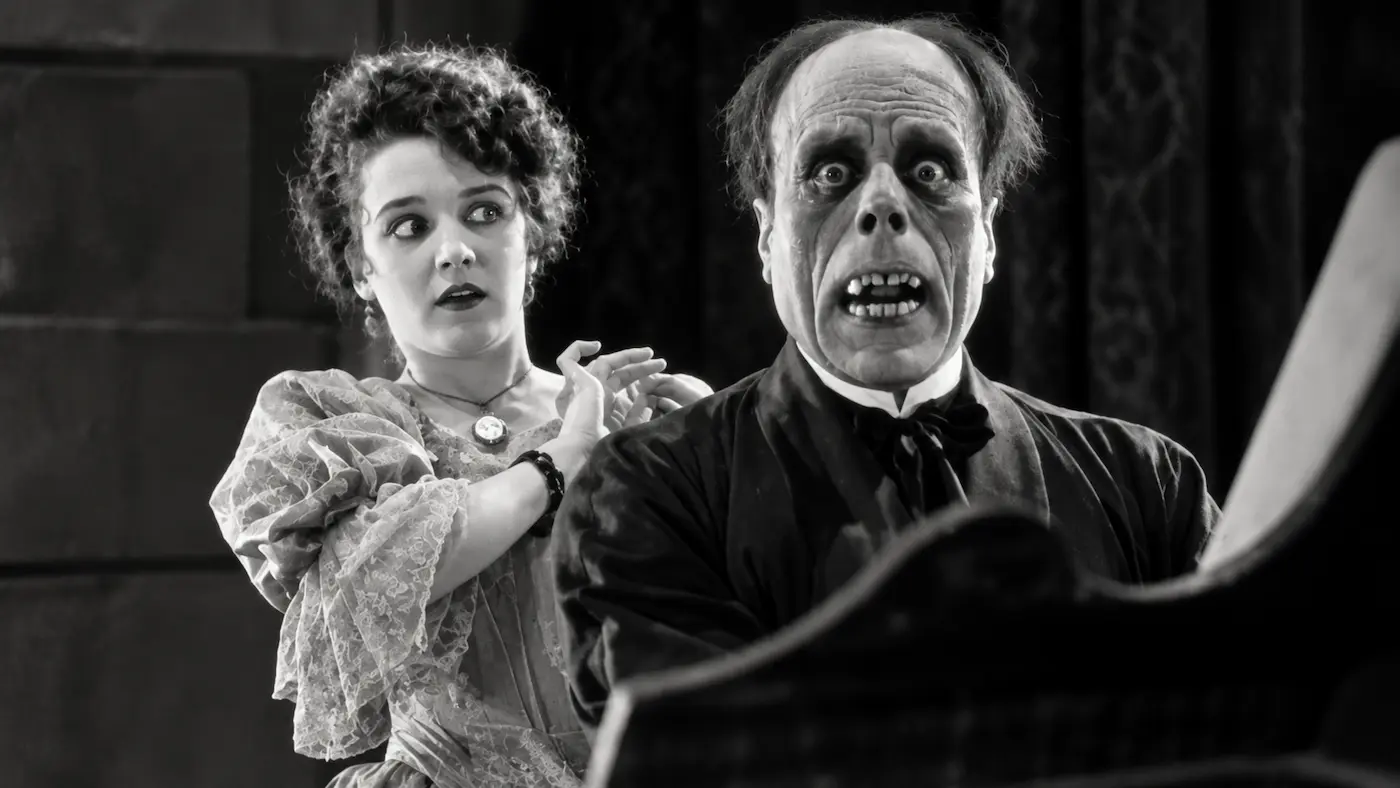
Chaney designed and applied the makeup himself. He used shadow and paint to hollow his eyes and sharpen his cheekbones into a skull. He also reshaped his nose and added false teeth to finish the effect. The result unsettled even the studio. As a result, Universal made an unusual marketing choice and kept every image of the unmasked Phantom out of its publicity. If audiences wanted to see the face, they had to buy a ticket.
The payoff arrives when Christine, played by Mary Philbin, creeps up behind the Phantom at his organ and pulls away his mask. The reveal remains one of the great shocks of the silent era. Still, the moment that follows matters more. Chaney’s Phantom turns on her in fury, but humiliation and longing flicker beneath the rage, and the monster becomes a wounded man. In a film without a single spoken line, Chaney says everything with his hands, his shoulders, and that terrible face.
Explore the history: How Lon Chaney’s Makeup Transformed Hollywood Horror (HISTORY)
2. The Phantom Wasn’t Entirely Black and White
Most people picture silent movies as flickering gray images with a pianist pounding away in the dark. Filmmakers in the 1920s, however, had already started experimenting with color, and The Phantom of the Opera took full advantage of the new tools.
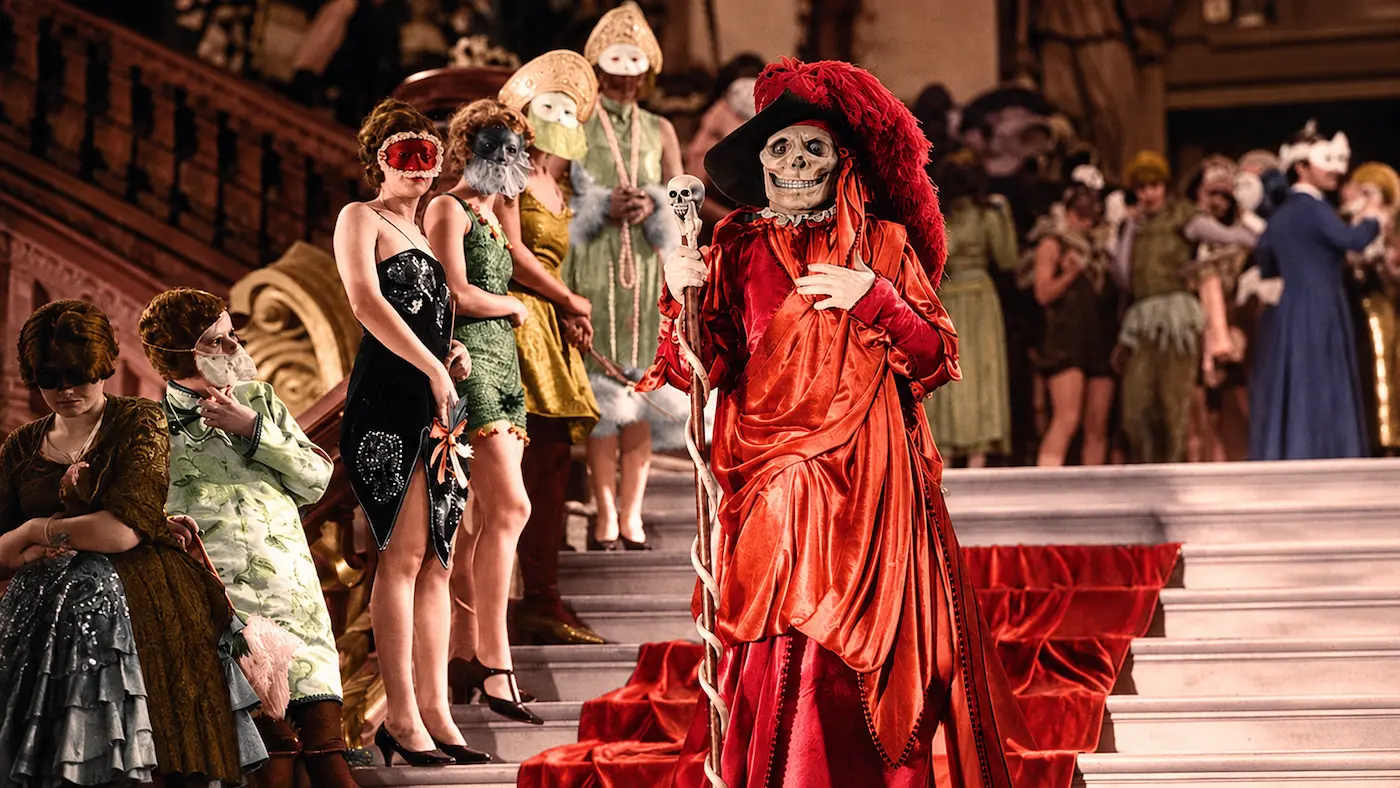
Universal shot several sequences in an early two-color Technicolor process. The most famous surviving example is the masked ball at the Paris Opera House. Amid a crowd of glittering revelers, the Phantom makes his entrance dressed as the Red Death, the crimson specter from Edgar Allan Poe’s tale. Against the swirl of costumes and gilded staircases, that blood-red figure stops the party and the audience cold.
Other parts of the film used tinting and color effects as well, although much of that footage has not survived. Because restorers have pieced the film together from several sources, the version you watch may mix black and white, tinted, hand-colored and Technicolor images. Anyone who believes Hollywood discovered color with The Wizard of Oz should take a look. The Phantom beat Dorothy to the color palette by fourteen years.
Explore the film: The Phantom of the Opera (1925), Lon Chaney Filmography
3. Hollywood Built an Opera House That Stood for Nearly 90 Years
The film needed an opera house big enough to hold crowds, staged performances, sweeping staircases, and a maze of backstage passages. Instead of relying on painted backdrops, Universal built its Paris Opera interior out of steel and concrete. The set filled what became known as Stage 28 on the studio’s Hollywood lot.
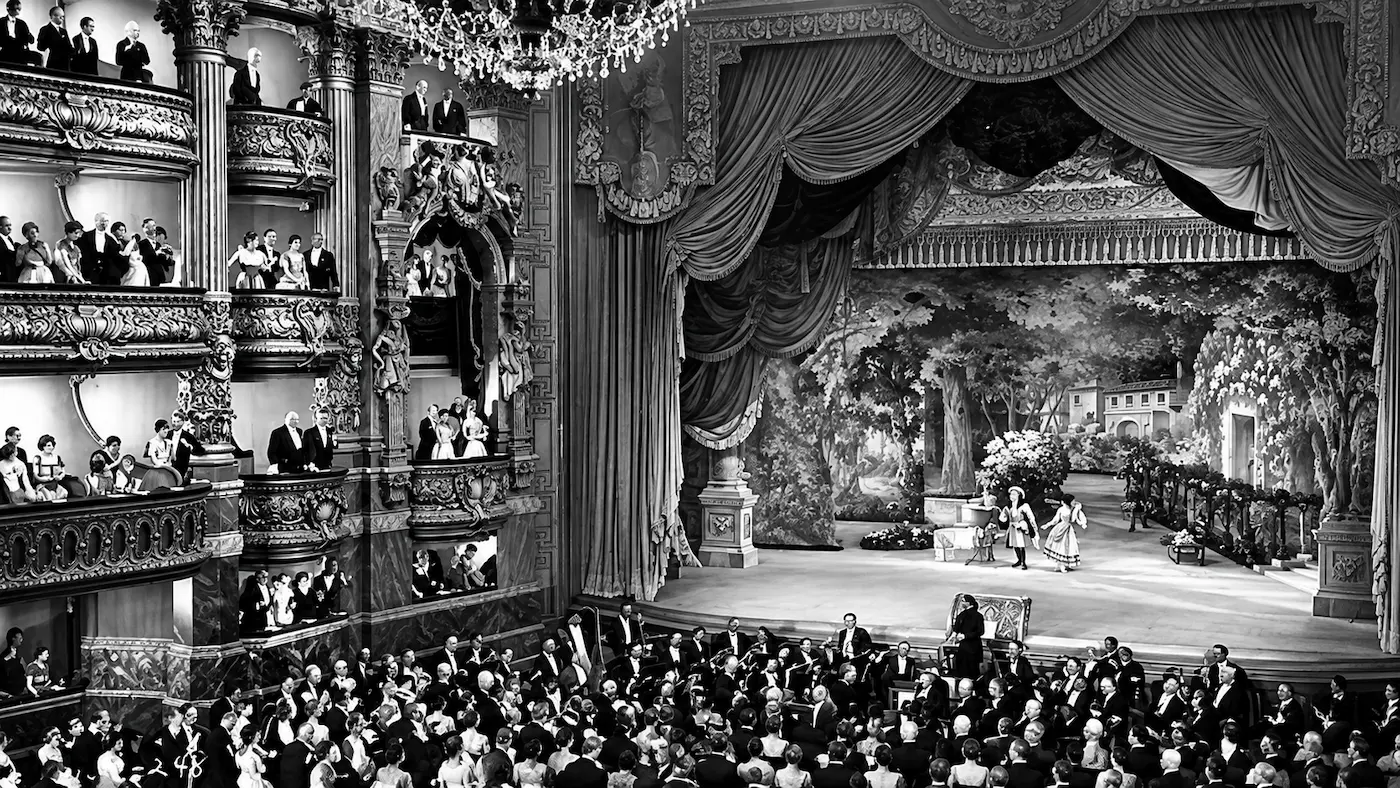
Because the studio built it to last, much of the scenery stayed in place long after filming wrapped. Other productions moved in and out over the decades, including Universal’s 1943 Phantom of the Opera starring Claude Rains. Studio workers and film historians came to treat Stage 28 as a living link to the silent era. Naturally, the building also collected its share of ghost stories, which seems only fair for the home of the Phantom.
In September 2014, Universal demolished Stage 28 after almost nine decades of service. Before the wrecking crews arrived, preservationists removed portions of the historic opera house scenery. Even so, the loss closed a chapter of Hollywood history that no other soundstage could replace.
See the original studio: Stage 28: The Phantom Stage (1925 to 2014), The Studio Tour
4. The Studio Tried to Turn It Into a Comedy
Today it is hard to imagine The Phantom of the Opera as anything but a Gothic tale of obsession and tragedy. During its rocky production, however, Universal tried to make audiences laugh.
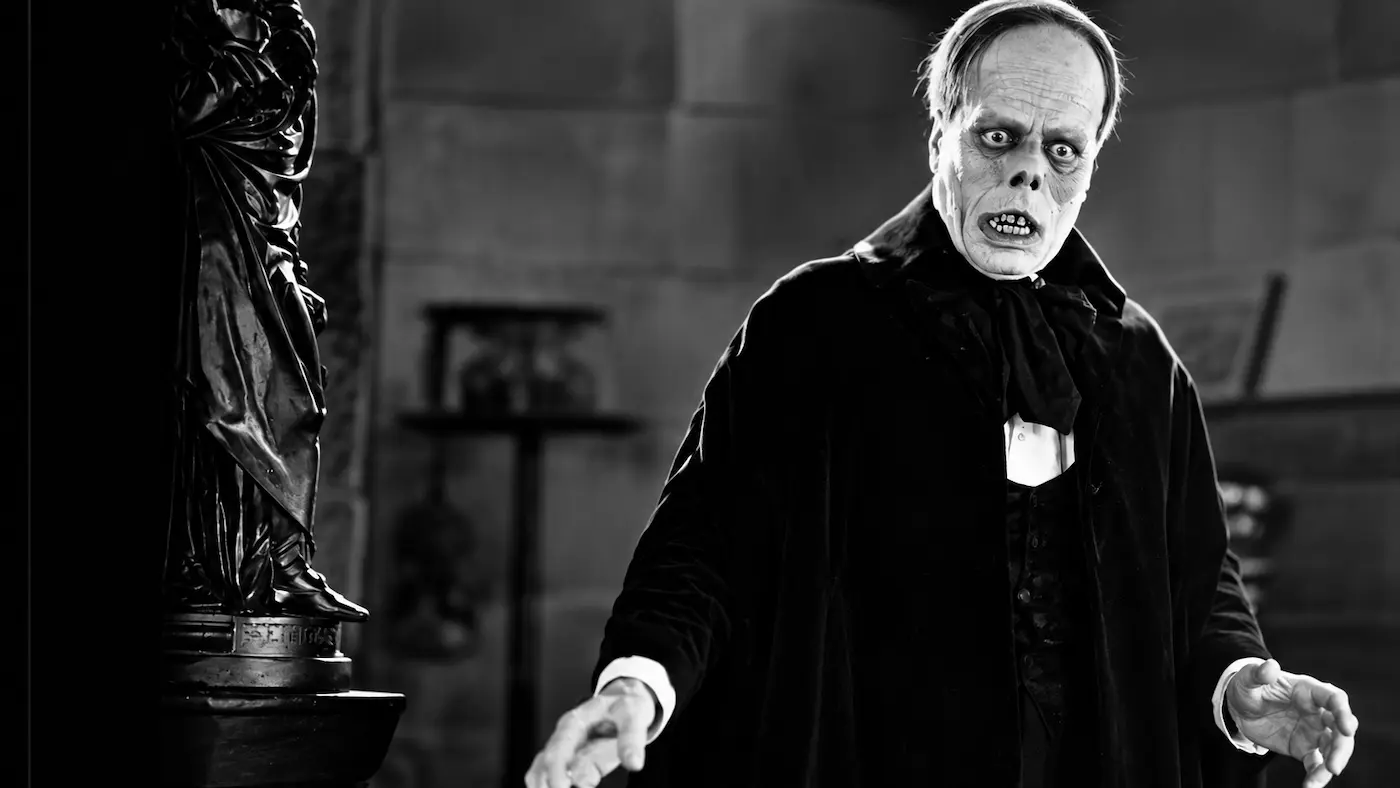
The trouble started on set. Lon Chaney and director Rupert Julian clashed so often that, by many accounts, the two stopped speaking. Cinematographer Charles Van Enger reportedly carried messages between them. Meanwhile, technical problems forced the crew to reshoot several sequences, including the famous falling chandelier.
Then came an early preview, and Universal did not like what it saw. The studio brought in Edward Sedgwick, a director with a background in comedy, to shoot new material. Sedgwick added scenes with comedian Chester Conklin and expanded the romance, hoping to make the picture lighter and more commercial. The audience at the next preview disagreed. Universal cut most of the jokes, wrote new title cards and re-edited the film to hold the surviving pieces together.
The finished movie, then, is not the work of a single director. Instead, several creative teams shaped it through repeated attempts to win over an audience. The irony is hard to miss. A production that nearly fell apart produced a film that has outlasted most of the carefully managed pictures of its day.
Read the production history: The Phantom of the Opera (1925), Turner Classic Movies
5. The Phantom Came Back in 1929, This Time With Sound
Most moviegoers think of The Phantom of the Opera as a silent film, but its story did not end in 1925. By the end of the decade, talking pictures had upended Hollywood, and audiences suddenly expected to hear the movies they watched. Studios scrambled to add sound to anything that might sell another ticket.
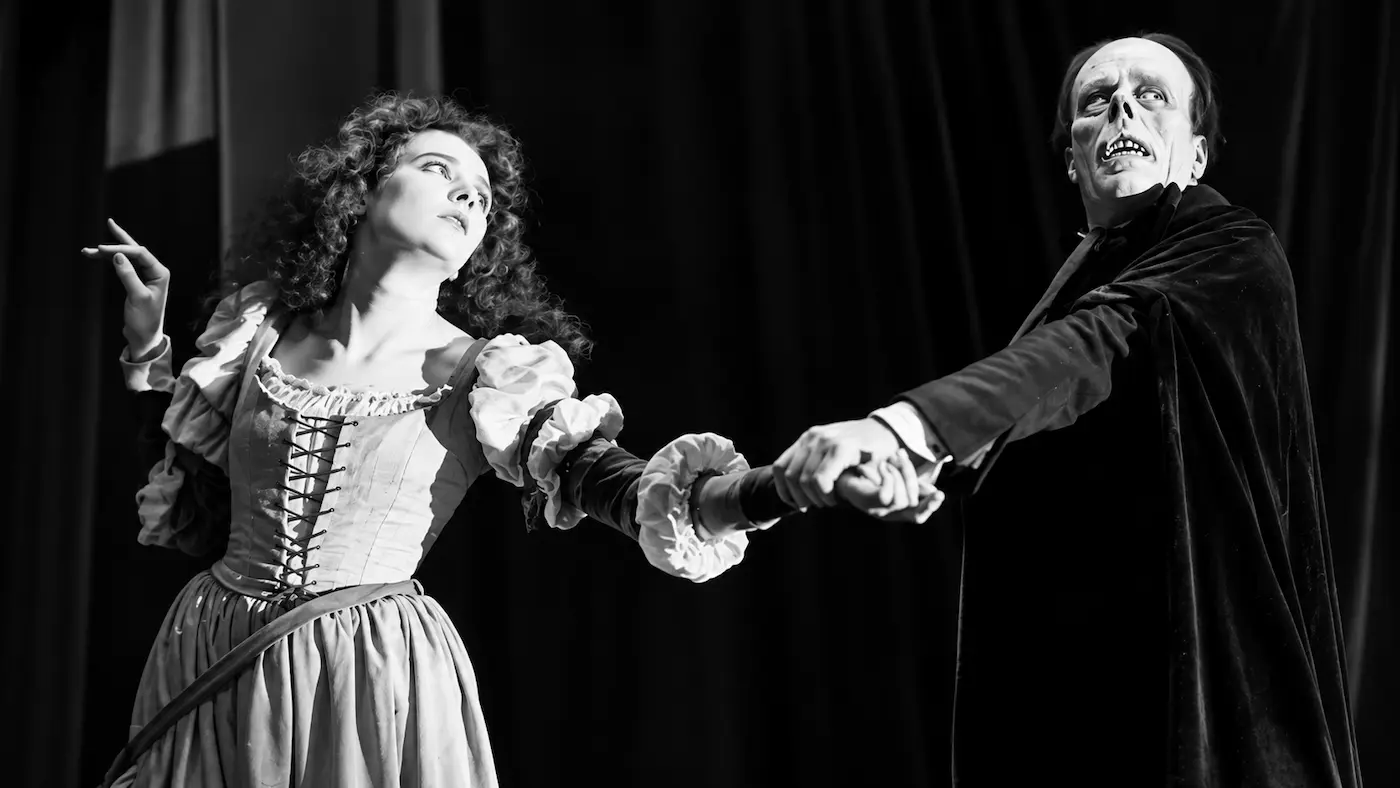
Universal saw its chance. In December 1929, the studio reissued the film with synchronized music and sound effects, along with new scenes that featured dialogue and operatic singing. Editors cut some of the original footage and wove in the new material, creating an odd hybrid of the silent era and the sound era.
Lon Chaney did not record any dialogue for the reissue. Instead, another performer supplied the Phantom’s voice, and according to the American Film Institute, Chaney was not pleased. The 1929 version also helps explain why the film’s preservation history is so tangled today. Restorers have spent decades comparing surviving prints, color processes, and studio records, so what you see on screen may reflect more than one stage of the film’s life. In that sense, the Phantom pioneered a practice Hollywood still loves. Long before remasters and director’s cuts, Universal updated an established hit with new technology and sold it to a fresh generation.
Explore the historical record: The Phantom of the Opera, American Film Institute Catalog
A Century Later, the Phantom Meets a Live Orchestra
For all its backstage drama, the film depends on one partnership above all: the bond between image and music. Silent films never played in silence. Theaters in the 1920s hired pianists, organists and full orchestras to set the mood, build suspense and voice the emotions that title cards could not. For a story set inside one of the world’s great opera houses, live music is part of the design.
On Thursday, October 22, 2026, at 7:30 p.m., the La Mirada Symphony brings The Phantom of the Opera (1925) to the La Mirada Theatre for the Performing Arts as part of its Stage to Screen presentation. The orchestra will perform a special score by Scott Lasky and the Famous Players Orchestra live alongside the film.
View this post on Instagram
More than a hundred years after Lon Chaney first hid behind that mask, audiences can experience the film the way its makers intended, in a dark theater with music swelling from the pit. Filmmaking has changed beyond recognition since 1925. Still, a powerful image and a live orchestra create a kind of magic no streaming service can match.
The Phantom of the Opera (1925)
Thursday, October 22, 2026 | 7:30 p.m.
La Mirada Theatre for the Performing Arts
Admission is free.
Great music belongs to everyone.