

Why Is Mozart So Hard to Play When His Music Sounds So Easy?
Mozart’s music sounds easy. That’s exactly what makes it so hard to play.
Listen to a Mozart melody and everything falls into place right away. The tune is clear, the rhythm feels natural, and one musical idea seems to answer the next without any effort at all.
Then hand that same music to a musician and ask them to play it. Suddenly, that easy feeling turns into one of the hardest jobs in music.
Mozart has a long-standing reputation among musicians as one of the trickiest composers to perform well. Britannica notes that Mozart was seen in his own time not only as the greatest composer around, but also as a bold and difficult one, with chamber music that demanded real skill from anyone who played it.
His music rarely asks for the loud, flashy, technical fireworks that later composers became famous for. Instead, it hands musicians a much sneakier challenge: there is almost nowhere to hide a mistake. A missed note stands out right away. One awkward phrase can throw off an entire passage. If the instruments aren’t balanced just right, music that depends on being crystal clear turns muddy fast.
That’s the puzzle at the heart of Mozart. The easier his music sounds, the harder musicians often have to work to make it sound that way.
The Trouble With “Simple”
Mozart wrote music you can hear straight through. Instead of stacking a melody under thick layers of sound, he often let each musical line stand out on its own, with instruments talking to each other instead of piling on top of one another. For a listener, that makes the music feel natural and easy to follow. For a performer, it makes every single note count.
Picture drawing one black line across a blank sheet of paper. If your hand shakes even a little, everyone notices. Now picture that same line hidden inside a busy painting full of color and shapes. Suddenly nobody notices the wobble at all.
Mozart usually hands his performers the blank sheet of paper instead of the busy painting. As one classical music writer put it, when other composers give performers a “thicket of notes” to hide a slip in, Mozart gives them nowhere to hide. Pianist Alfred Brendel summed up the same idea in three words: “everything in his music counts.”
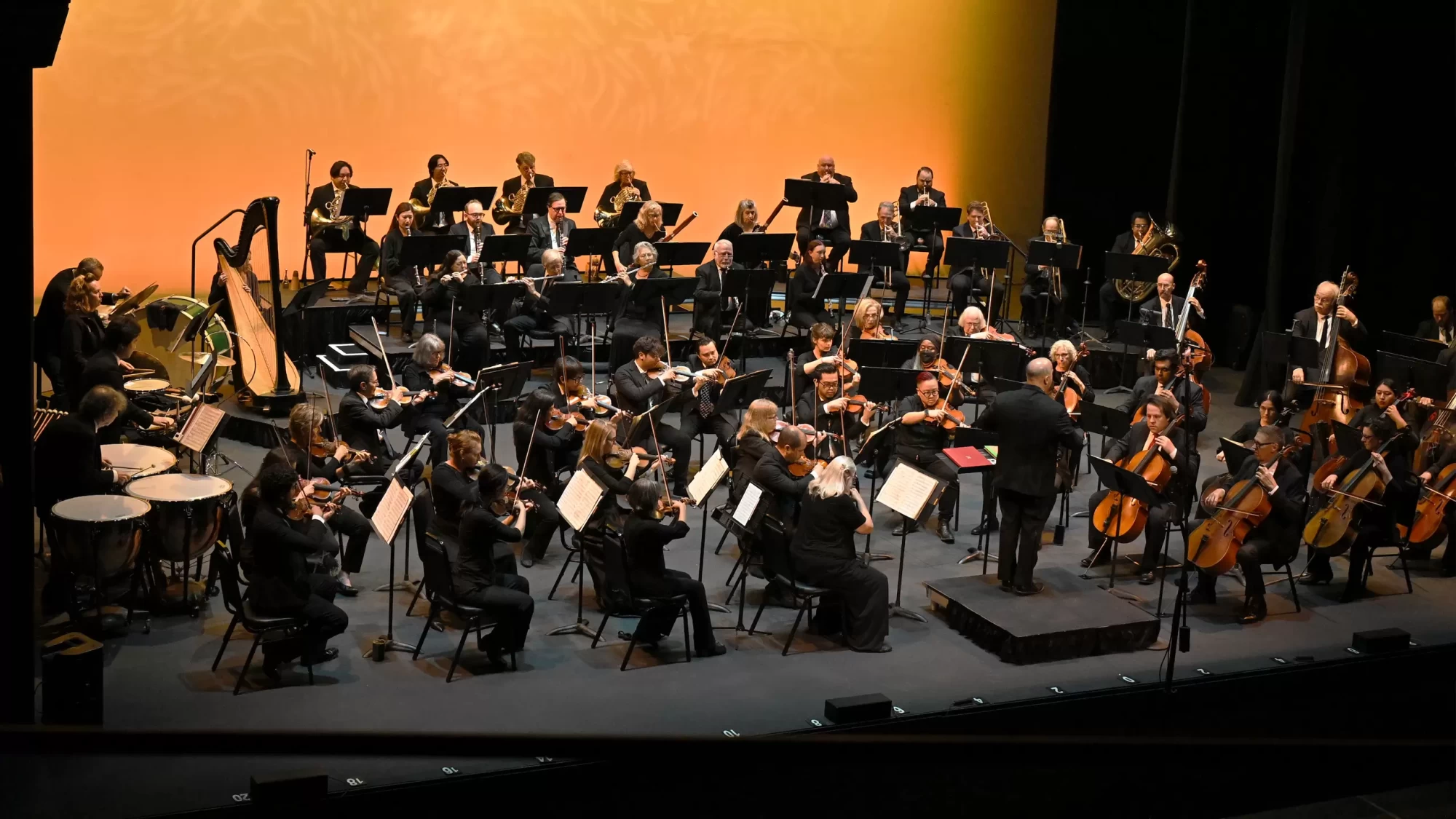
There Is Nowhere to Hide
Composers who came after Mozart often wrapped performers in huge walls of sound. Big string sections, loud brass, and thick harmonies can bury a small mistake without anyone noticing. Mozart usually does the opposite.
He leaves open space in the music, and that space means musicians have to control exactly when every note starts and ends, how long each phrase lasts, and how loud or soft each instrument plays.
That’s why a Mozart score can look almost easy sitting on the music stand, and still turn into the hardest hour of a rehearsal. The real challenge usually isn’t hitting the right notes. It’s making every note feel like it belongs exactly where Mozart put it.
Mozart gives musicians nowhere to hide.The trouble with simplicity
Mozart Makes an Orchestra Talk
Mozart’s music often works like a conversation. One instrument brings up an idea, and another instrument answers it. The violins might start a phrase, then a woodwind quietly changes the mood underneath them. A horn can flip the feeling of an entire passage in a few notes. A melody can move from one part of the orchestra to another almost like a line of dialogue passing between two characters in a play.
That makes sense once you remember Mozart spent much of his life writing operas. Musicologist Wye Jamison Allanbrook, who earned her PhD at Stanford and later taught at UC Berkeley, spent years studying exactly this connection. Her research, published by the University of Chicago Press, showed how closely Mozart’s instrumental music borrows the rhythms and gestures of his stage works, using the dances and movement of his time to hint at character and emotion even when nobody on stage is singing a word.
Once a listener starts hearing those exchanges, a Mozart symphony stops sounding like background music and starts sounding like a scene from a play.
Calm on the Surface, Alive Underneath
The word “classical” can set up the wrong idea in a listener’s head. It sounds proper, polite, and maybe even a little boring. Mozart rarely stays that calm for long.
Commentator Rob Kapilow, breaking down one of Mozart’s string quintets for an NPR music segment, pointed out that in Mozart’s own lifetime, critics actually considered his music complicated, insider stuff written for a handful of intellectuals, even though today it sounds like the friendliest music around.
His music can swing from joy to sadness, or from calm to tension, within the space of a few bars, and performers have to understand what the music is saying at each turn instead of just landing on the correct pitches.
Sometimes Mozart hands the listener bright sunshine, then lets a cloud roll over it a few bars later before the sun comes right back. The shift can happen so smoothly that a listener feels the mood change without ever noticing exactly how Mozart pulled it off. That hidden craftsmanship is part of what makes him so good.
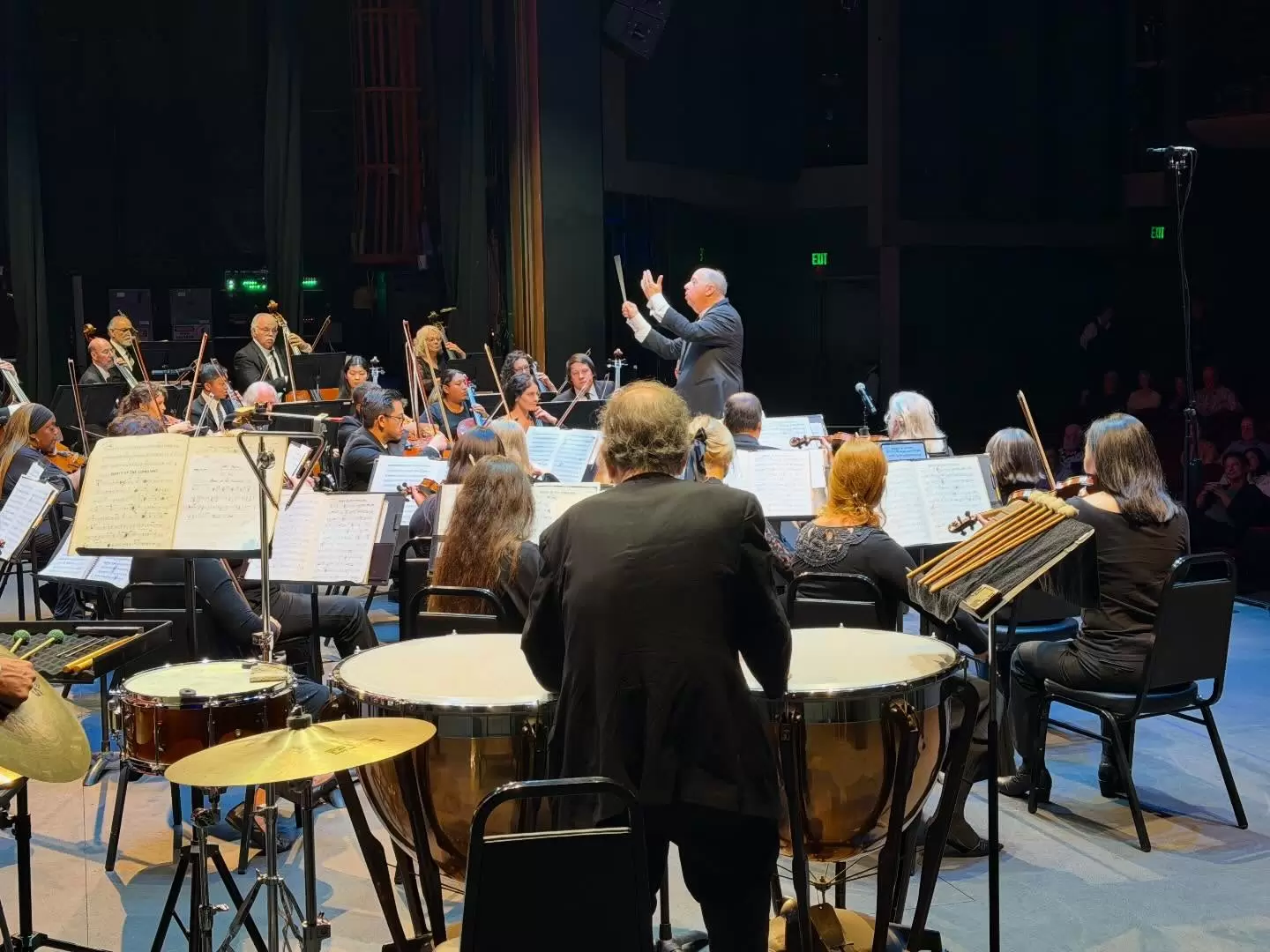
The Music Has to Breathe
Playing Mozart correctly never means playing it like a machine. His melodies need direction, his phrases need shape, and his rhythms need to feel alive instead of just counted out. In short, the music has to breathe.
Musicians often treat a Mozart melody the way a singer treats a vocal line, asking where the phrase is headed, which note matters most, and where one musical sentence ends so the next one can begin. That question matters even more in Mozart than in most other composers, simply because his music is so exposed.
Play every note with the same weight and the music turns flat. Push too hard for feeling and the music loses its charm. A performer spends the whole piece hunting for the balance between freedom and control, and when that balance lands right, the audience never notices the search at all.
That’s the Trick
Maybe that’s the strangest part of playing Mozart well. When musicians nail it, audiences walk away thinking it must have been easy. That’s the illusion.
A great dancer makes an impossible move look weightless. A great actor makes rehearsed lines sound like they were invented on the spot. Mozart asks his performers for something very similar.
The hours of practice disappear into the performance. The technique disappears into the phrase. The difficulty disappears into the music itself, and all that’s left is the melody.
Try Listening to Mozart Differently
The next time Mozart comes on, don’t worry about naming musical forms or decoding music theory. Just listen for the space between the instruments. Notice the moment a melody turns somewhere you didn’t expect. Listen for one instrument answering another, and pay attention to how quickly the mood in the room can change.
Listen beyond the melody.
- The space between the instruments.
- One instrument answering another.
- A melody passing from one section of the orchestra to another.
- A sudden shift from joy to sadness or from calm to tension.
- The way a musical phrase seems to breathe like a singer.
- A quiet accompaniment subtly changing the mood underneath the melody.
- Moments that sound completely natural even though they demand extraordinary precision.
Notice, too, the moments when something sounds so natural that it feels like it could never have been written any other way. That feeling ranks among Mozart’s greatest achievements. His music rarely shows off how clever it is. It just sounds like it belongs.
More than two centuries after his death, musicians are still working hard to make something this difficult sound this effortless.
The difficulty disappears into the music. All that’s left is the melody.That’s the trick
Making the Difficult Sound Effortless
That’s what makes Mozart so deceptive. Listen casually and the music seems inevitable. One melody follows another. Every musical turn appears to happen exactly when it should. Nothing seems strained, crowded or forced.
But that feeling of inevitability is exactly what performers have spent the rehearsal trying to create.
The next time Mozart comes on, listen for those moments when the music sounds so natural that it feels as though it could never have been written any other way.
Then remember what you’re actually hearing: musicians working extraordinarily hard to make sure you never hear the work at all.
Hear Mozart Live with the La Mirada Symphony
This season, the La Mirada Symphony brings Mozart to the stage with music from The Magic Flute, one of the composer’s most imaginative and enduring operas.
The music opens Ode to Joy, the final program of the Symphony’s 2026–2027 concert season, before the orchestra turns to Beethoven’s monumental Ninth Symphony.
When Mozart begins, listen closely. Listen for the space between the instruments. Hear one musical voice answer another. Notice how naturally every phrase seems to fall into place — and remember just how much work it can take to make music sound that effortless.
Explore the 2026–2027 Season