

The Soundtrack of America
Before streaming took over, America gathered around music — and the orchestra helped give the country its emotional voice.
Long before playlists became personalized and algorithms quietly decided what audiences would hear next, music in America carried a sense of scale that modern entertainment often struggles to recreate.
On Friday nights, downtown theaters glowed beneath giant neon marquees while crowds poured through their doors dressed for an evening that felt important. Families gathered around radios as orchestras performed live broadcasts that traveled across state lines, while enormous movie palaces filled with the sound of tuning string sections moments before the curtains rose.
During that era, music did not simply accompany everyday life in the background. Instead, it commanded attention, transformed public spaces into communal experiences, and gave entire generations a shared emotional language.
In many ways, the story of America can still be heard through its music because the nation itself evolved through a constant collision of cultures, traditions, ambitions, and reinventions.
America did not create one sound. It created a collision of sounds powerful enough to become a national memory.La Mirada Symphony
America’s musical identity never stood still.
As immigrants arrived from Europe carrying centuries of orchestral traditions with them, those sounds gradually merged with jazz rhythms emerging from New Orleans, gospel harmonies rising from churches across the South, folk music traveling alongside railroad lines, and Broadway orchestration exploding through New York theaters.
Over time, those influences did not remain separate from one another. Instead, they blended into something unmistakably American, creating a soundtrack that reflected the country’s restless energy and constant transformation.
Unlike many artistic traditions rooted in a single style or historical identity, American music evolved through movement. Every generation reshaped it, challenged it, and pushed it somewhere new.
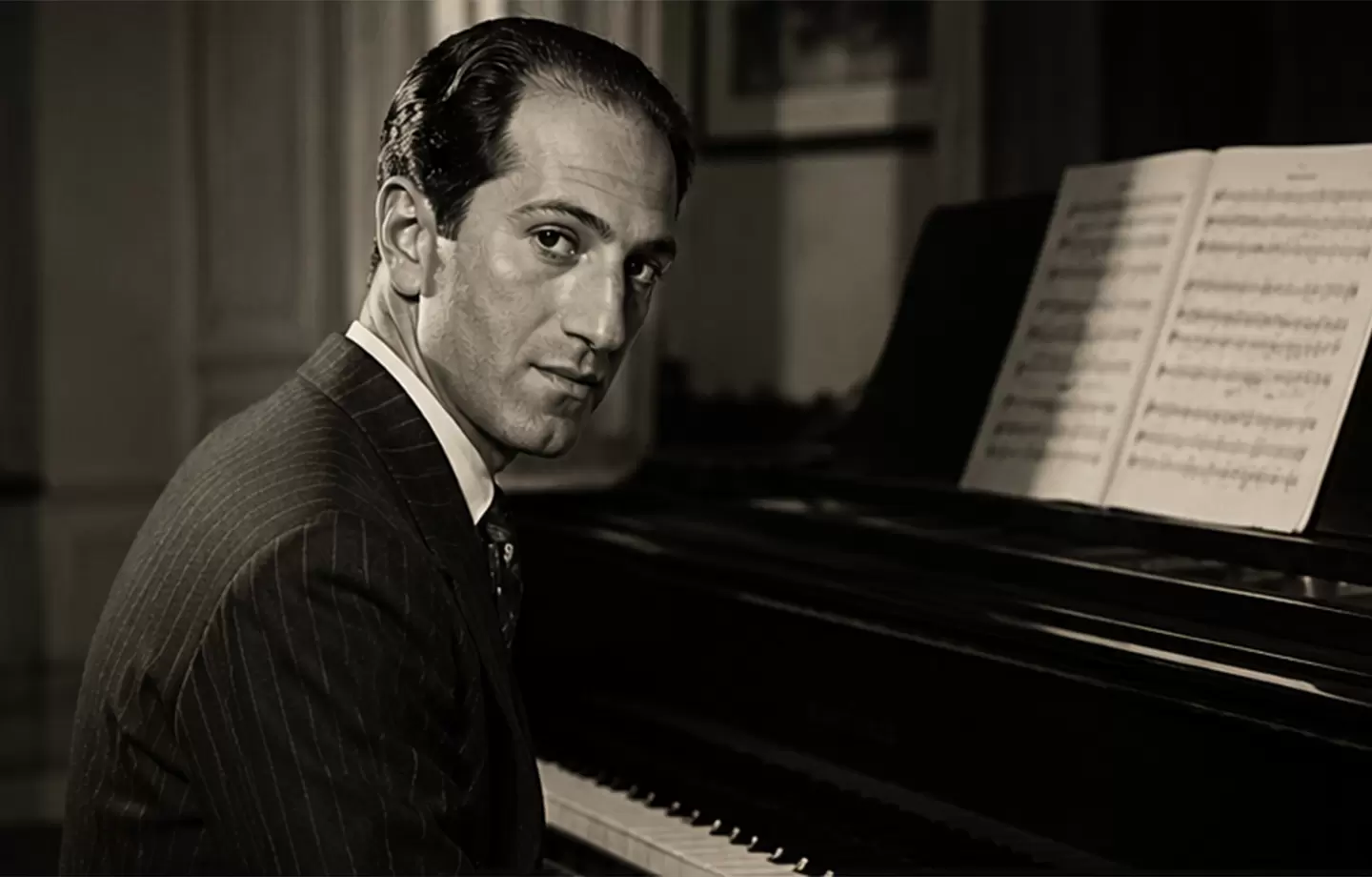
Gershwin changed the conversation.
George Gershwin blurred the boundaries between jazz and classical music until audiences could hear the pulse of American cities inside the orchestra. Britannica describes Rhapsody in Blue as a work known for integrating jazz rhythms with classical music.
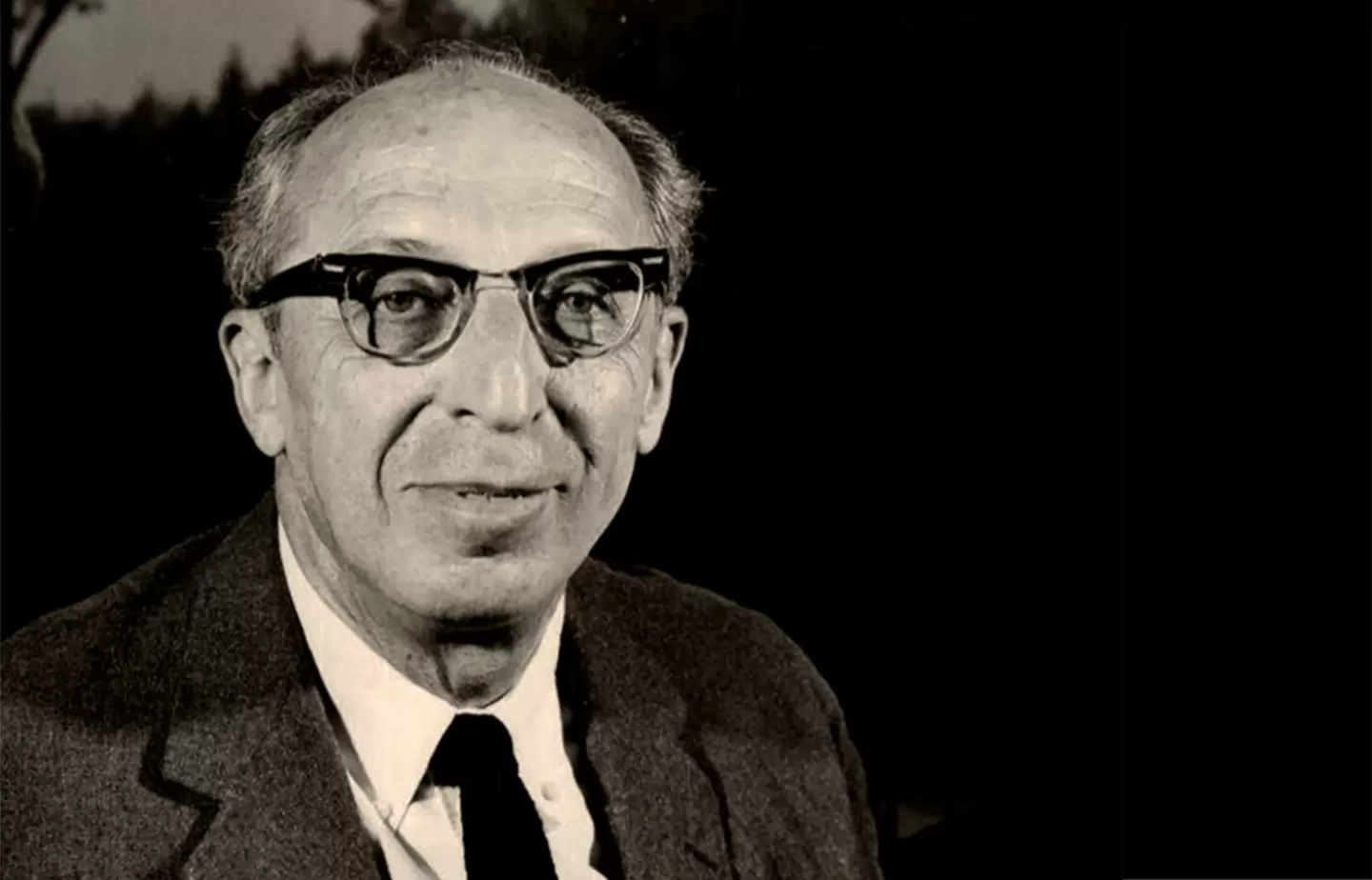
Copland found the wide-open sound.
Aaron Copland transformed plains, towns, and frontier optimism into music that felt cinematic before Hollywood made that language global. Britannica notes that works such as Billy the Kid, Rodeo, and Appalachian Spring helped spread his fame worldwide.
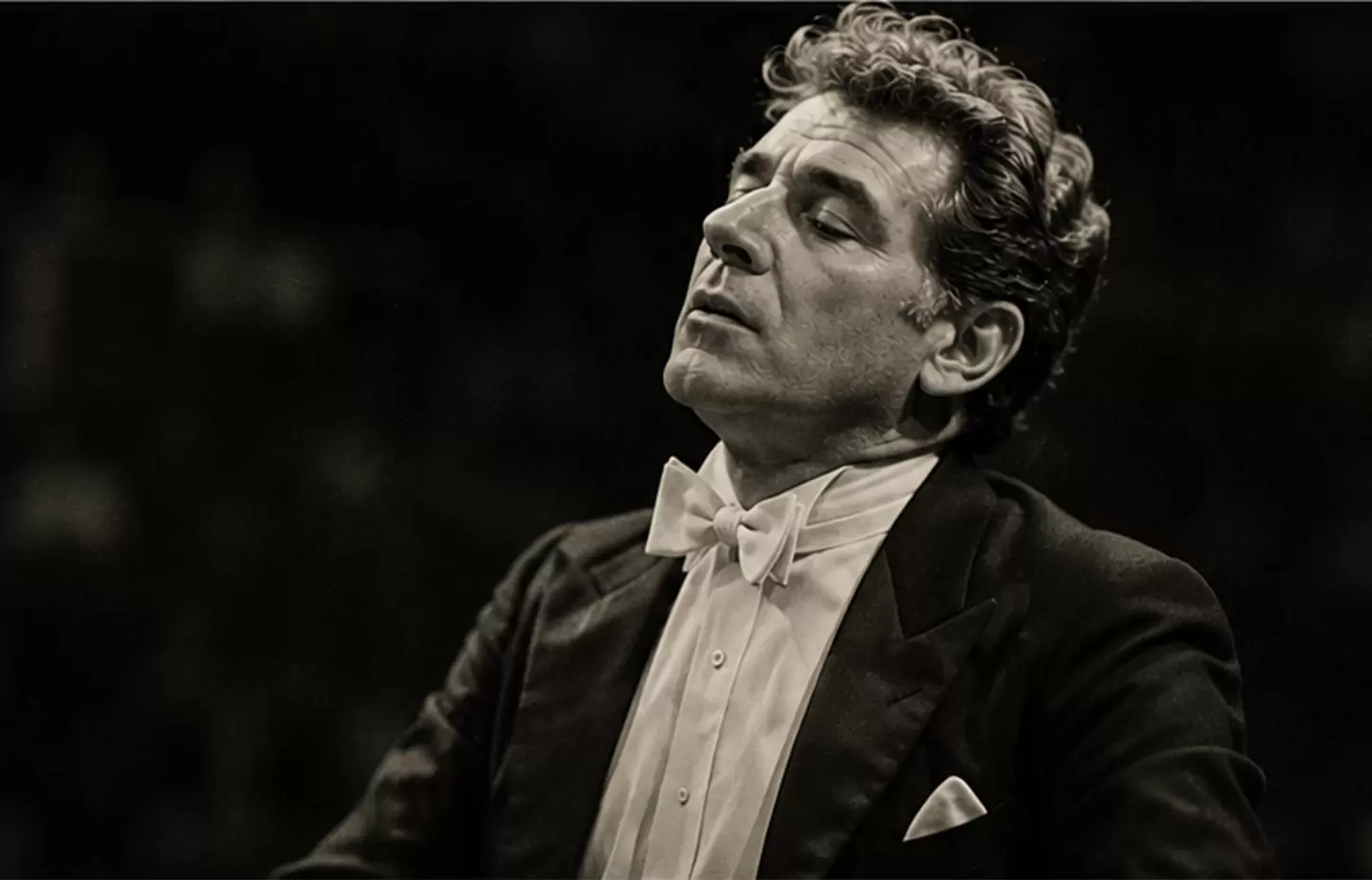
Bernstein brought it home.
Leonard Bernstein carried symphonic music into television, Broadway, and American living rooms with urgency, charm, and showmanship. Britannica notes his role in explaining classical music to young listeners through Omnibus and Young People’s Concerts.
Consequently, orchestral music in America never became trapped behind the walls of elite concert halls in quite the way many people now imagine. Instead, it remained connected to the larger culture, continuously adapting as film, radio, television, and popular entertainment changed the American landscape.
American music grew through collision, reinvention, and movement — the same forces that shaped the country itself.
Hollywood turned the orchestra into an American icon.
Once Hollywood discovered the emotional power of orchestral music, the relationship between cinema and symphonic composition permanently changed American entertainment. Filmmakers quickly realized that orchestras could intensify fear, magnify wonder, heighten romance, and transform fictional stories into experiences that audiences physically felt.
By the time John Williams redefined blockbuster filmmaking through scores for Star Wars, Superman, E.T., and Indiana Jones, orchestral music had fully embedded itself into modern American identity. Britannica describes Williams as an American composer who created some of the most iconic film scores of all time, including work for Jaws and the Star Wars films.
At the same time, television reinforced that connection even further. Before streaming platforms normalized skipping introductions, television theme songs operated almost like overtures, preparing audiences emotionally for the stories they were about to experience.
Consequently, orchestral music never disappeared from popular culture. Instead, it evolved alongside the entertainment industry itself, continuously finding new ways to remain part of the national consciousness.
- Film scores
- Television themes
- Broadway orchestration
- American memory

Streaming changed entertainment, but it also changed shared experience.
Today, entertainment feels profoundly different because audiences rarely experience culture together in the same way previous generations once did. Personalized feeds, algorithm-driven recommendations, and endless streaming libraries have fragmented entertainment into thousands of isolated experiences unfolding simultaneously across phones, tablets, and individual screens.
Although that level of convenience has transformed modern media consumption, it has also diminished many of the communal rituals that once defined American entertainment culture.
That shift may explain why live orchestral performances continue to resonate so deeply with audiences searching for experiences that still feel tangible and collective. Inside a concert hall, nobody skips ahead to the next moment or scrolls through notifications while the music unfolds. Instead, hundreds of people sit together in complete synchronization, listening to the same rising crescendo, reacting to the same silence, and feeling the same emotional tension moving through the room at exactly the same time.
In many ways, community orchestras still preserve that disappearing tradition. They continue creating spaces where audiences can disconnect from digital noise long enough to experience something collectively rather than individually, which may explain why live symphonic performances often feel surprisingly emotional even for first-time attendees unfamiliar with orchestral repertoire.
A great orchestra does not simply perform music. It reminds a room full of strangers what it feels like to listen together.
A great orchestra reminds a room full of strangers what it feels like to listen together.La Mirada Symphony
America’s emotional history still lives inside its music.
As the United States approaches its 250th anniversary, many conversations surrounding the nation understandably focus on political history, historical milestones, and the broader timeline of American development. However, music reveals another side of that story because it captures not only what Americans experienced, but also how those experiences felt emotionally across different generations.
The optimism that followed World War II echoed through triumphant orchestral broadcasts and expanding television productions, while the restless energy of jazz clubs reflected the cultural transformations reshaping American cities during the twentieth century. Meanwhile, Broadway productions carried both hope and heartbreak onto theater stages, while Hollywood composers transformed orchestral scores into emotional memory machines capable of permanently attaching music to moments of wonder, grief, fear, and triumph.
That emotional connection remains one of orchestral music’s greatest strengths because audiences continue responding instinctively to music that feels cinematic, expansive, and human. Beneath all the technological shifts reshaping entertainment, people still crave moments capable of lifting them outside everyday routines and reconnecting them with something emotionally larger than themselves.
A great orchestra still provides that experience, not because it belongs to the past, but because it continues speaking to emotional instincts that remain timeless.
The soundtrack continues.
Although entertainment platforms continue evolving at extraordinary speed, orchestral music remains woven throughout American culture in ways many audiences rarely stop to consider directly. It lives inside blockbuster films, streaming series, Broadway revivals, television scores, video games, school bands, church choirs, and community symphonies performing across the country every season.
Even now, audiences encounter orchestral music almost daily because the emotional language of the orchestra still shapes modern storytelling at nearly every level of entertainment.
Perhaps that explains why symphonic music continues resonating across generations despite constant changes in technology and media consumption. At its core, orchestral music still offers something increasingly rare in modern life: the ability to pull strangers into the same emotional experience simultaneously.
For a few hours inside a concert hall, the distractions pause, the lights dim, and the orchestra begins to play. Then suddenly, audiences are no longer isolated individuals moving through separate digital worlds. Instead, they become part of the same shared moment once again.
For a few hours inside a concert hall, the distractions pause, the lights dim, and the orchestra begins to play.
Sources & Further Reading
This article draws on historical and cultural context from respected music references, including Britannica entries on George Gershwin’s Rhapsody in Blue, Aaron Copland, Leonard Bernstein, and John Williams.
Readers can also explore Leonard Bernstein’s Young People’s Concerts through the official Bernstein website for more on his role in bringing classical music to television audiences.