

Why Live Orchestral Music Moves Us
The neuroscience, psychology, memory, and shared human connection behind the emotional power of the concert hall.
Live orchestral music does more than entertain. It creates emotional reactions audiences physically feel, psychologically process, and often remember for the rest of their lives.
Live orchestral music continues to create emotional experiences that audiences often describe as overwhelming, healing, and deeply human. Inside concert halls around the world, audiences still experience moments of powerful connection during live orchestral performances. Sometimes that emotional reaction begins quietly with a single violin melody suspended almost delicately in silence. At other times, it emerges during a powerful orchestral climax when the brass section surges forward and the entire room seems to vibrate with energy and sound. Then, often without warning, someone in the audience begins to cry.
Importantly, those emotional reactions do not always come from sadness, nor do they emerge purely from happiness. Instead, live orchestral music often unlocks something far more personal and difficult to describe. For generations, audiences have described symphonic music as transcendent, healing, overwhelming, and even spiritual because the experience frequently reaches beyond words alone.
Today, however, neuroscience and psychology are beginning to explain why music affects human beings so profoundly. Researchers now believe that the emotional power of orchestral music may be deeply connected to the way the brain processes emotion, memory, anticipation, and shared human experience simultaneously.
Music does not simply fill a room. It changes the way people feel inside it.La Mirada Symphony
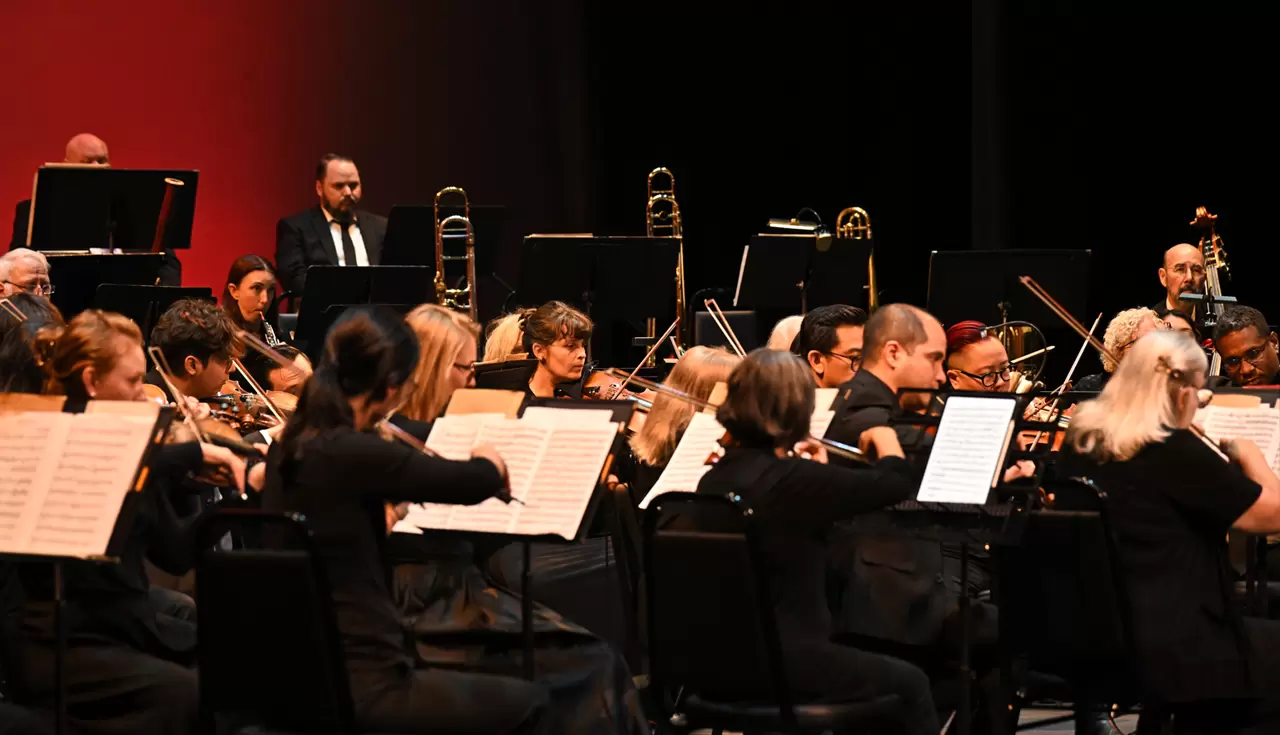
Why live orchestral music affects the brain.
Unlike many forms of entertainment, music activates multiple regions of the brain simultaneously.
Researchers studying the neuroscience of music have found that emotionally powerful music engages the brain’s emotional centers, sensory systems, memory networks, and reward pathways all at once. According to Harvard Medical School, music can stimulate the release of dopamine, the neurotransmitter associated with pleasure, emotional reward, motivation, and anticipation.
In other words, the brain does not just process music as background noise. The brain experiences music as emotionally meaningful information.
Scientists have also discovered that music can trigger physical responses throughout the body. A phenomenon known as “frisson” describes the chills or goosebumps many listeners experience during emotionally powerful musical moments. Researchers at McGill University found that these emotional reactions often correspond with measurable activity inside the brain’s reward systems.
That may help explain why audiences sometimes tear up during live orchestra performances, even when no words are being spoken.
The emotional response is not imaginary. It is neurological.
The concert hall becomes more than entertainment. It becomes a shared emotional experience.La Mirada Symphony
Why live orchestral music feels different than streaming.
Although streaming allows people to hear music constantly, live orchestral music creates an entirely different emotional experience. Inside a concert hall, audiences do not just hear sound. They physically experience it.
Low frequencies from basses, timpani, and brass instruments move through the room and resonate through the body itself. Meanwhile, dozens of musicians perform together in real time, creating subtle imperfections, energy shifts, and emotional tension that recordings often smooth away.
According to research discussed by Psychology Today, live music also strengthens emotional connection because audiences share the experience collectively. Human beings naturally respond to synchronized emotional environments. As a result, audiences at concerts often mirror one another’s emotional reactions without even realizing it.
This helps explain why live orchestral performances can feel emotionally overwhelming in ways streaming music rarely achieves.
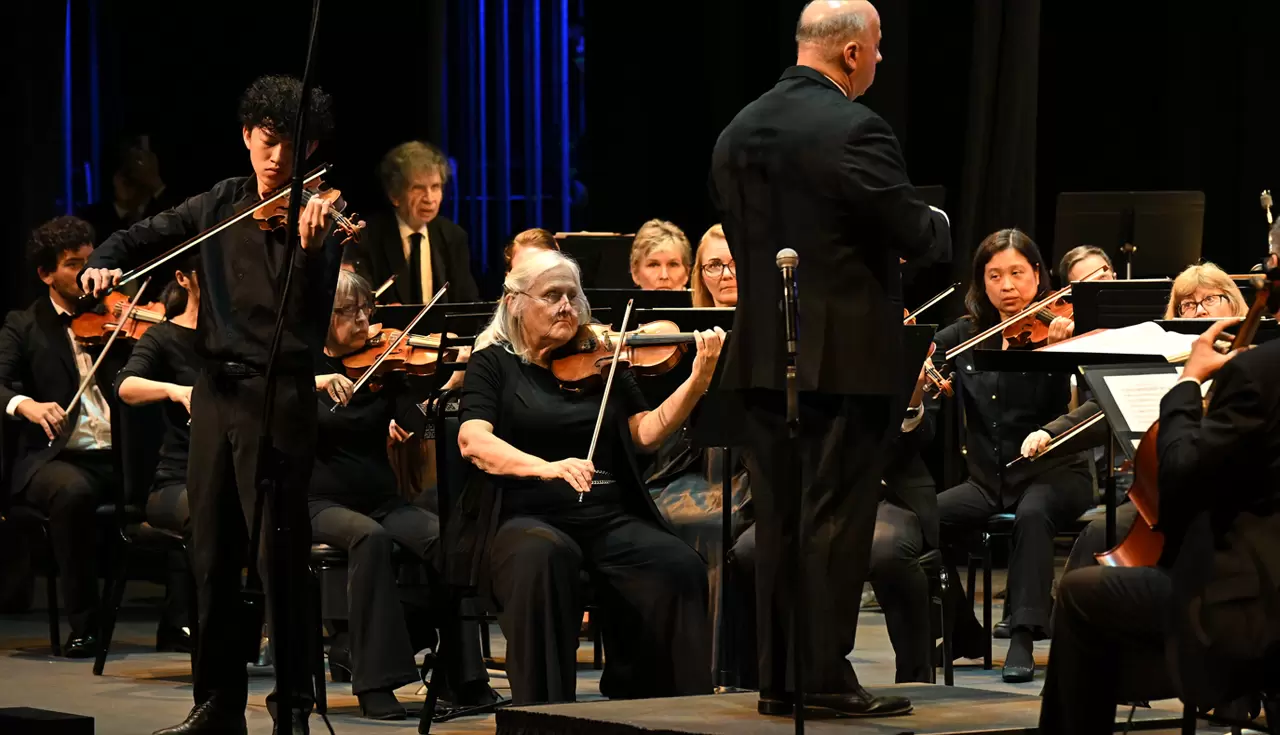
Live orchestral music and emotional memory.
Music also holds a unique relationship with memory.
A single melody can instantly transport someone back to childhood, a past relationship, a difficult loss, or a meaningful life experience. Researchers studying memory and music have found that musical memory often remains remarkably resilient, even in patients living with Alzheimer’s disease and other memory-related conditions.
Organizations like The Alzheimer’s Association and researchers featured through Johns Hopkins Medicine have explored how music can reactivate emotional memory pathways that other forms of communication sometimes cannot reach.
Because of this powerful connection between music and memory, orchestral music often feels intensely personal even when no lyrics are involved. A single symphony can evoke entirely different emotions from one listener to the next. One audience member may hear hope and resilience inside the music, while another may experience grief, nostalgia, longing, or comfort.
In many ways, the orchestra becomes a mirror for emotional memory. Rather than telling audiences exactly what to feel, symphonic music creates space for personal interpretation and emotional reflection.
Rather than telling audiences exactly what to feel, symphonic music creates space for personal interpretation and emotional reflection.
Composers understood emotional psychology before science did.
Long before neuroscientists began studying emotional response and cognitive behavior, composers already understood how to guide audiences through emotional and psychological journeys using music alone. Although they lacked the scientific language to explain it, many of history’s greatest composers instinctively recognized how rhythm, harmony, pacing, and orchestration could shape both emotion and narrative inside the listener’s mind.
Beethoven, for example, often constructed his symphonies like stories of struggle and triumph, gradually building tension before releasing it with explosive emotional force. Tchaikovsky shaped sweeping musical passages that felt deeply vulnerable and human, allowing audiences to experience heartbreak, longing, and emotional release almost like scenes unfolding within a larger drama. Meanwhile, Debussy used unresolved harmonies and drifting textures to create dreamlike emotional landscapes filled with mystery and uncertainty, while Stravinsky intentionally disrupted audiences through rhythmic instability and dissonance that generated tension, unpredictability, and psychological discomfort.
These composers were doing far more than arranging notes on a page. In many ways, they were building emotional and narrative architecture designed to carry audiences through conflict, anticipation, reflection, chaos, resolution, and transformation.
Today, modern psychology supports much of what composers understood intuitively centuries ago. Researchers now believe that the human brain constantly searches for patterns and subconsciously predicts what will happen next in music. According to research discussed by Britannica, emotional reactions often intensify when composers interrupt expectations, delay resolution, or suddenly shift musical direction in surprising ways.
- Expectation
- Tension and release
- Memory and emotion
- Shared attention
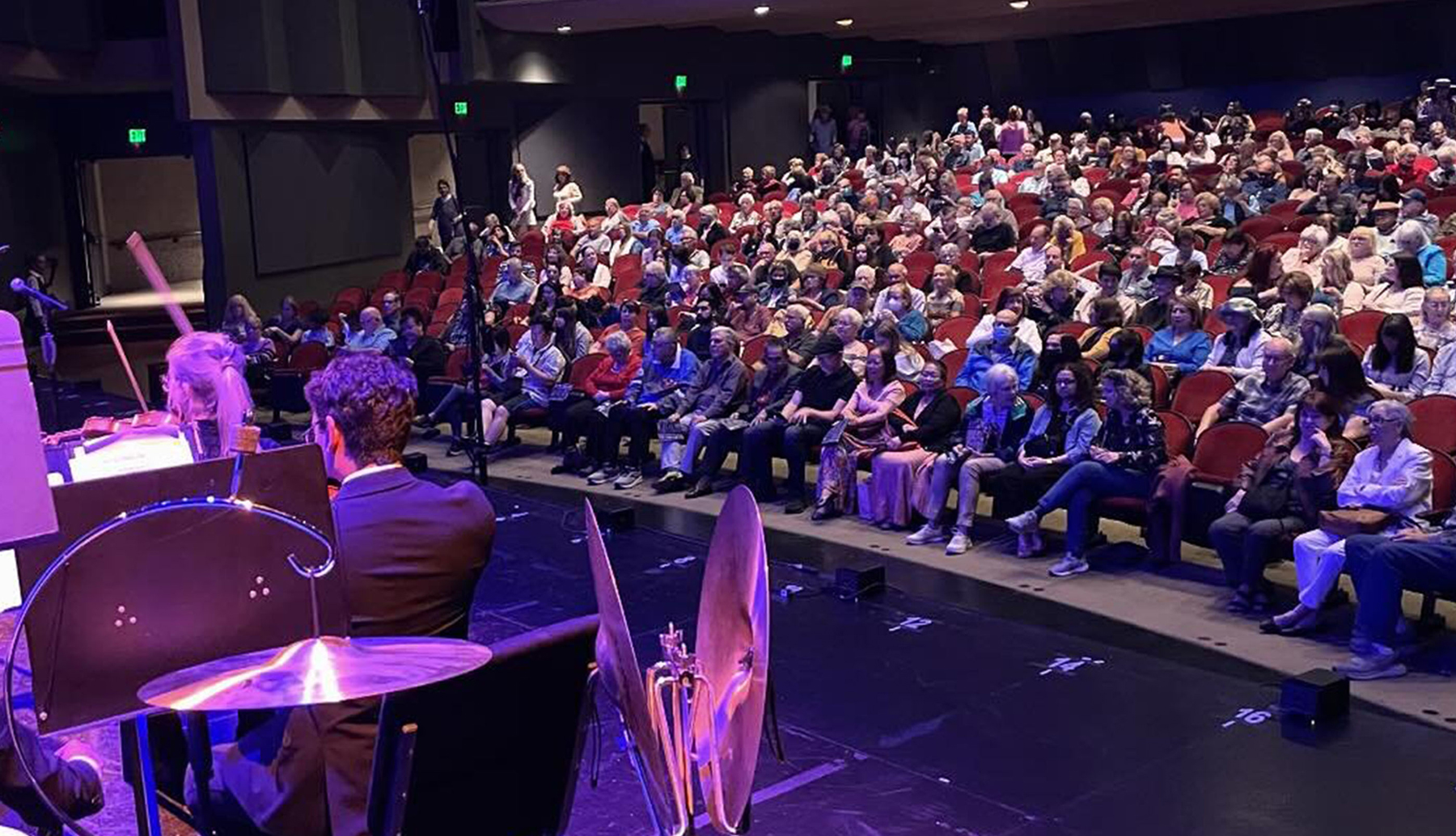
Why audiences still need live orchestral music.
Perhaps the most important question is not why orchestras move audiences emotionally. Instead, the more revealing question may be why audiences continue seeking these experiences in the modern world, especially during an era dominated by constant digital distraction.
Today, people spend much of their lives surrounded by notifications, algorithms, streaming feeds, and short-form content designed to compete endlessly for attention. As a result, moments of quiet reflection have become increasingly rare. Attention feels fragmented, and emotional presence often disappears beneath the speed of everyday life.
Yet live orchestral music asks audiences to do something fundamentally different. Concert halls invite people to slow down, sit together, listen carefully, and experience emotion without interruption. For a few hours, audiences step away from their electronic devices and the pressure to constantly move on to the next thing. Instead, they become fully immersed in sound, memory, anticipation, and shared human connection.
That experience may help explain why orchestras continue to move audiences to tears. Live symphonic music does not just entertain people. It reconnects them to emotional presence in a world that rarely allows it. In many ways, orchestral music continues to resonate so deeply not because it belongs to the past, but because it reminds modern audiences what it feels like to slow down, feel deeply, and become fully human again.
Orchestral music reminds modern audiences what it feels like to slow down, feel deeply, and become fully human again.
In a distracted world, the orchestra asks us to listen together.La Mirada Symphony