
Why Free Concerts Matter More Than Ever

On paper, the decision to attend a concert can seem almost effortless. You see a date, recognize a program, and imagine a pleasant evening out. In practice, however, the decision is often far more complicated than that. The price of admission is only part of the calculation. There is also parking, dinner, time, distance, and the quieter question of whether the experience will feel welcoming in the first place. For many people, those considerations shape the outcome before they ever walk through the door. What appears to be a cultural choice is often, in reality, an economic and psychological one. This is where the broader free concerts community impact begins to take shape.
An Invitation, Not a Transaction
That is precisely why free concerts matter. When the cost of admission is removed, the entire character of the experience changes. The concert no longer begins as a transaction, with all the expectations and hesitations that come with spending money. Instead, it begins as an invitation. The question shifts from whether the performance is worth the expense to whether there is any reason not to go. That change may sound subtle, but its effects are not. It opens the door to people who might otherwise stay home, not because they lack interest, but because the total cost of attending has become too easy to justify against. This is one of the clearest examples of free concerts community impact in practice.
The Gap Between Interest and Access
Americans do not lack interest in the arts. In fact, national research suggests the opposite.
A survey highlighted by the University of Arizona, drawing on findings from Americans for the Arts, reported that 76% of American adults agree that arts and culture are personally important to them, while only 51% believe everyone in their community has equal access to the arts. That gap is telling. It suggests that appreciation for the arts remains broad, even as access remains uneven. In other words, the problem is not that people do not care. The problem is that many people encounter too many barriers between their interest and their participation. Source: University of Arizona / Americans for the Arts survey summary.
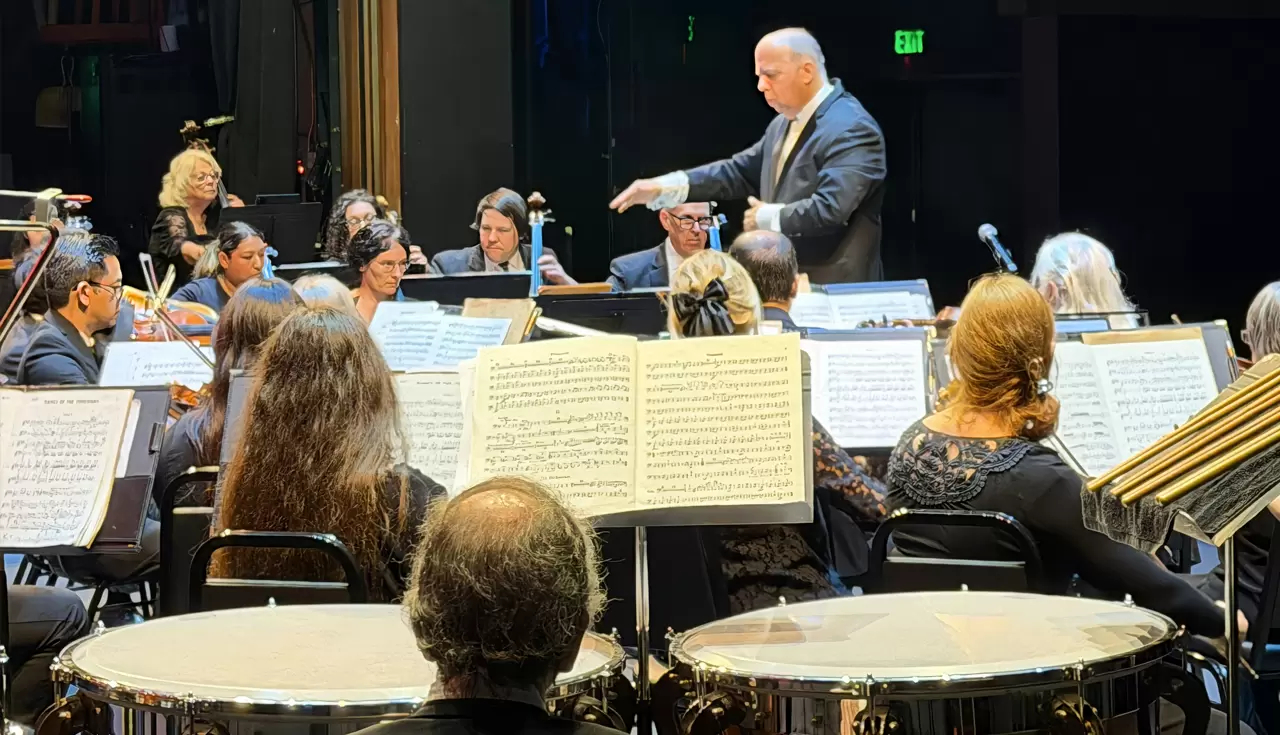
A full audience gathers to experience a free live symphony performance.
Why Cost Still Decides Who Shows Up
Cost is one of the most obvious of those barriers, but it is hardly the only one. Even so, it tends to shape the rest. Once attending a performance requires a financial commitment, the event begins to feel less spontaneous and more exclusive. Over time, that kind of quiet self-selection narrows the audience, and institutions can begin to look more exclusive than they intend to be. Free concerts disrupt that pattern by removing the financial risk that keeps many people from simply giving live music a try.
The Economic Argument Is Real
The value of the arts is often described in emotional or civic language, and rightly so, but the economic argument is real as well. According to the national Arts & Economic Prosperity 6 study from Americans for the Arts, nonprofit arts and culture organizations and their audiences generated $151.7 billion in economic activity in 2022, supporting 2.6 million jobs and generating $29.1 billion in tax revenue. Those figures are national, but their implications are local. A concert does not exist in isolation. People who attend performances often eat at nearby restaurants, pay for parking, visit local businesses, and contribute to the sense that a community is active and worth spending time in. Even when the concert itself is free, the surrounding economic activity does not disappear. If anything, a free event can encourage attendance from people who might not otherwise have participated at all. The free concerts community impact extends beyond access and into the local economy.
Shared Experiences Have Become More Valuable
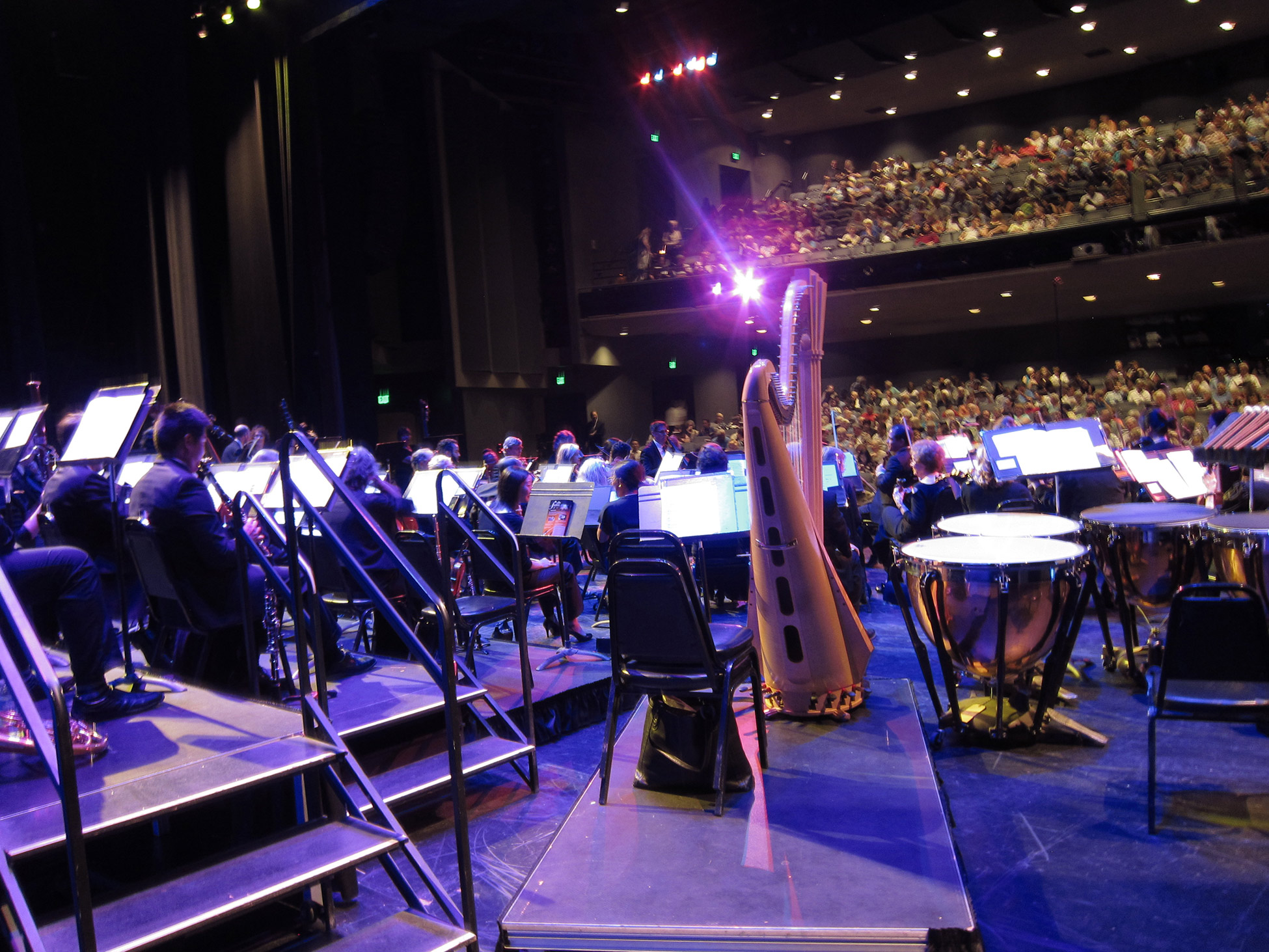
There’s another side to this that has nothing to do with money. It has more to do with how people actually experience things now. Most of the time, music is something we listen to alone, through headphones, in the car, or while doing something else. Even when we’re watching or listening to the same thing as someone else, we’re usually doing it separately. A live concert cuts through that. You’re in the room, the sound is happening in real time, and everyone around you is hearing it at the same moment. That doesn’t happen very often anymore, and when it does, people feel it.
The National Endowment for the Arts has also pointed to links between arts engagement and social connectedness, noting in a 2024 research brief that it examined recent patterns of arts engagement among U.S. adults and their relationship to social connection. The NEA has also published longer-term research on the connection between arts participation and civic engagement.
What Free Concerts Community Impact Looks Like
What changes when concerts are free is not merely the price point. The audience itself changes. First-time attendees are more likely to come. Families are more willing to experiment with an evening out. People who may have assumed orchestral music was not for them can enter without the pressure of having paid for an experience they are unsure how to navigate. The room becomes less guarded and, in many cases, more representative of the community around it. That matters because the arts do not become public simply by being excellent. They become public when the public feels welcome.
View this post on Instagram
The La Mirada Symphony’s Role
This is where the La Mirada Symphony occupies an important place. By offering free public concerts, it lowers the barriers that so often keep audiences at a distance. It also serves a region that does not fit neatly into a single civic box. Because La Mirada sits along the border of Los Angeles County and Orange County, the Symphony naturally draws from both. Based on audience data, approximately 38% of attendees come from Orange County communities. That figure matters not simply as a statistic, but as evidence that when access is made easier, audiences are willing to cross geographic lines for live music. In that sense, the Symphony is not only presenting concerts. It is helping to create a regional cultural meeting ground. If you’d like to support our concerts or explore upcoming performances, there are many ways to get involved.
Why This Matters Now
All of this feels more urgent now because live cultural experiences increasingly compete with cheaper, easier, and more isolated alternatives. Music is everywhere, yet shared listening is not. Free concerts preserve access to live music while also preserving the social experience of hearing it together. They remind audiences that the arts are not only something to consume, but something to participate in, and that a concert hall or theater can still serve as a gathering place rather than simply a venue.
In the end, the strongest argument for free concerts is not ideological, but practical. Research supports that people care about the arts. Communities benefit when arts organizations thrive. And when barriers are lowered, more people participate. At its core, the free concerts community impact is about who gets included.