
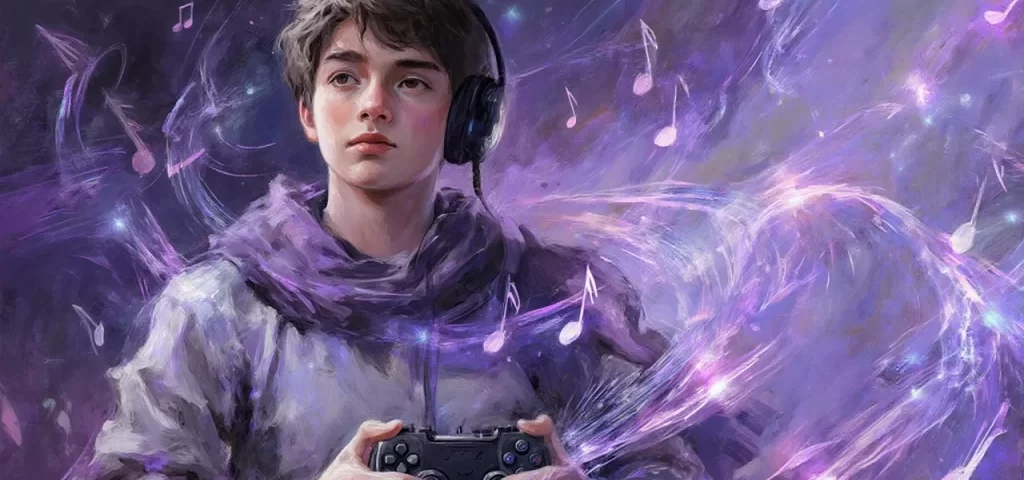
Why Orchestras Sound So Good in Video Games: Final Fantasy, Zelda, Halo, Genshin Impact & More
Video games and orchestral music may seem like worlds apart, but together they create some of the most emotionally powerful moments in modern entertainment. Today’s largest game franchises rely on full symphony orchestras to shape their stories, build atmosphere, and guide players through cinematic, unforgettable experiences. From Final Fantasy and The Legend of Zelda to Halo and Genshin Impact, orchestral soundtracks have become an essential part of modern games’ identity.
As composer Nobuo Uematsu (Final Fantasy) once said, “Music is the player’s emotional compass.” That compass often points straight to the heart of a symphony orchestra.
Orchestras Bring Game Worlds to Life
One of the main reasons orchestras sound so good in video games is their ability to make digital worlds feel alive. Every section of the orchestra adds its own emotional layer. Strings create warmth and tension. Brass captures heroism and danger. Woodwinds bring color, charm, and personality. Percussion drives the action and heightens intensity.
Because of this, players feel deeply connected to the worlds they explore. A simple village theme becomes comforting. A boss battle becomes electric. A final cutscene becomes unforgettable.
Game music director Koji Kondo (The Legend of Zelda) once explained, “The purpose of music in games is to deepen the world and make the player believe in it.” The orchestra does exactly that — it transforms game environments into living, breathing places.
Games Use Orchestral Music in Dynamic, Innovative Ways
Unlike film music, which plays the same way every time, video game music reacts to the player. This technique, called adaptive scoring, allows the orchestra to shift its energy in response to what the player is experiencing.
When you explore an open field in Breath of the Wild, soft piano and light strings emerge.
When an enemy appears, the harmony darkens and percussion enters.
When you discover a secret, gentle woodwinds celebrate the moment.
This dynamic scoring makes players feel like the orchestra is performing just for them. As one Halo composer put it, “The music must breathe with the player. It should move when they move.”
The orchestra is not just a soundtrack — it’s a responsive storytelling partner.
Human Performers Add Emotion Digital Sound Can’t Match
Even with advanced technology and digital synthesizers, nothing compares to the emotional nuance of a live orchestra. Human performers add breath, articulation, subtle timing, and expression that software cannot replicate.
This is why the Halo soundtrack became so iconic. Its blend of choir and orchestra creates an almost sacred atmosphere. Composer Marty O’Donnell said it best: “We wanted Halo to feel ancient, epic, and timeless — and only an orchestra could deliver that scale of emotion.”
The imperfections and variations of real musicians make each note feel alive, and that humanity elevates the entire game experience.
Orchestras Make Gameplay Feel Truly Epic
Some gaming moments demand monumental emotion, and orchestras deliver that impact better than anything else. Boss battles, final missions, character revelations, and emotional endings all gain cinematic weight when supported by a full symphony.
Genshin Impact is a perfect example. The developers record with orchestras around the world — including London, Shanghai, and Tokyo — to give each region in the game a unique cultural identity. Players often mention that they explore areas longer simply because the music is so beautiful.
A Genshin composer said, “We wanted the music to be something players could fall in love with, even outside the game.” That emotional connection is the hallmark of orchestral storytelling.
Young Audiences Discover Classical Music Through Games
One of the most exciting trends in symphonies today is the number of young people discovering orchestral music through video games. Concerts like Final Fantasy: Distant Worlds, the Zelda Symphony, and Kingdom Hearts Orchestra sell out major venues.
For many attendees, this is their first live orchestra experience.
A fan at a Zelda concert once shared, “I came for the game music, but I left wanting to learn more about classical music.”
Video games are serving as a bridge between generations, introducing orchestral sound to audiences who may never have stepped into a concert hall.
Orchestras Give Games a Timeless Quality
Digital sound trends change quickly, but orchestral music remains expressive, emotional, and timeless. When game developers invest in live musicians, the music ages gracefully — even decades later.
This is why older game soundtracks, such as early Final Fantasy themes or classic Zelda motifs, still resonate today. As Uematsu said, “A good melody lasts forever.”
The orchestra gives modern games a sense of permanence and depth that goes far beyond their technology.
A Perfect Partnership Between Tradition and Technology
Orchestral music sounds so good in video games because it offers emotional truth, artistic depth, and storytelling power that digital tools alone cannot achieve. Together, gaming and symphonic music create experiences that are rich, immersive, and unforgettable. They honor the past while pushing creative boundaries into the future.
This partnership is not just changing how we hear video games — it’s also shaping how new generations discover the beauty of orchestral music.