
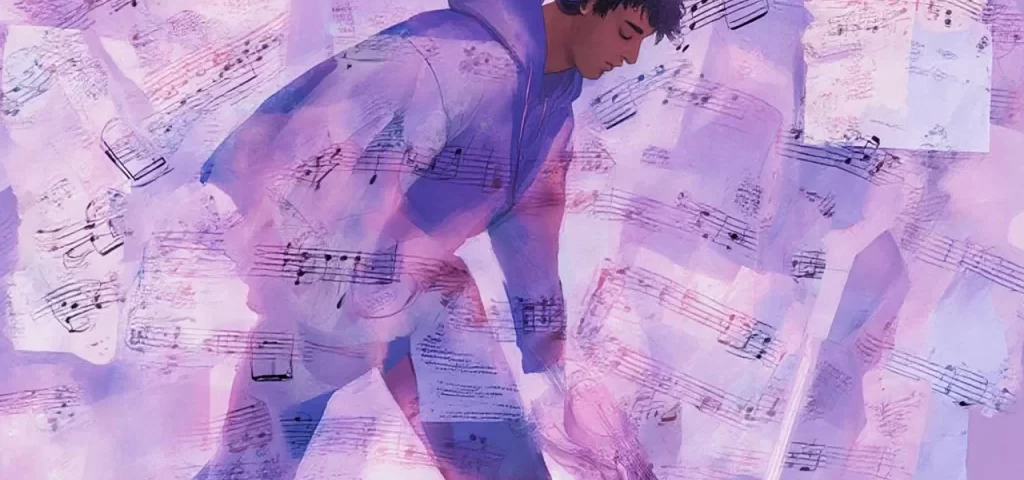
Why Gen Z Is Rediscovering Classical Music: A New Generation Is Falling in Love With an Old Art Form

Classical music has existed for centuries, but today it is finding an unexpected new champion: Gen Z. Despite growing up with streaming, TikTok, video games, and hyper-modern digital culture, millions of young listeners are turning toward orchestras, symphonies, and classical playlists with fresh excitement. The shift is real, and it’s reshaping how orchestras engage with their communities.
As one young listener posted on TikTok, “Classical music feels like the soundtrack to my life.” That emotional connection is one reason the genre is experiencing a surprising revival.
Here’s why Gen Z is rediscovering the magic of classical music.
TikTok and Social Media Are Opening the Door
One of the biggest reasons for the resurgence is the power of short-form video. Classical music has become a kind of emotional language on TikTok. Users pair dramatic orchestral moments with story-based content, aesthetic edits, skits, and emotional vlogs. The result is a wave of young people experiencing classical music for the very first time through bite-sized posts.
Pieces like Tchaikovsky’s Swan Lake, Vivaldi’s Winter, and Beethoven’s Symphony No. 7 have gone viral multiple times. These short clips introduce classical works in a format Gen Z understands instantly. As one viral creator shared, “Classical music hits in a way pop songs don’t. It feels big. It feels personal.”
This digital familiarity encourages young listeners to explore longer works — and eventually attend concerts.
Video Games Serve as a Gateway to Classical Sound
Many Gen Z listeners experience orchestral music long before they ever realize it, thanks to video games. Titles like Final Fantasy, The Legend of Zelda, Halo, Genshin Impact, and Elden Ring use full symphony orchestras to create emotional depth.
Game composers understand the power of classical music, and as a result, young audiences grow up hearing orchestral sound in the worlds they love.
Because of this connection, symphony concerts based on video games routinely sell out — often drawing audiences younger than traditional classical programming.
Film & Streaming Culture Make Classical Music Feel Familiar
Gen Z is the streaming generation, and film soundtracks are deeply woven into their lives. Modern franchises rely heavily on symphonic scores — Marvel, Star Wars, Harry Potter, Lord of the Rings, and countless animated films.
This makes orchestral sounds feel cinematic and emotional rather than “old-fashioned.”
Composer John Williams once said, “The orchestra is still the most powerful musical instrument we have.” That idea resonates strongly with young audiences who associate orchestras with epic stories and powerful emotions.
When Gen Z hears similar sounds at a live symphony, they respond with enthusiasm — because the music already feels like part of their cultural landscape.
Streaming Playlists Fit Gen Z Listening Habits
Gen Z may stream more than any previous generation, and classical music benefits from it. Spotify and Apple Music feature:
- “Focus” playlists
- “Calm classical” playlists
- “Classical for studying”
- “Orchestral chill”
- “Epic classical”
These playlists align with how Gen Z uses music for mental health, studying, relaxation, and mood management.
This connection between emotional regulation and listening habits is one of the strongest drivers of classical music’s comeback.
Classical Music Supports Mental Health and Mindfulness
Mental health is a massive priority for Gen Z, and classical music fits naturally into this need. The calm, structured, and expressive qualities of symphonic music help reduce stress and support emotional balance.
Many young listeners report that classical music brings comfort, imagination, and a break from the constant pace of digital life.
In a world filled with noise, classical music provides breathing room — and that space is something young listeners value deeply.
Orchestras Are Becoming More Inclusive and Welcoming
Modern orchestras — including community ensembles like the La Mirada Symphony — are finding new ways to reach younger audiences. Social media storytelling, rehearsal clips, behind-the-scenes moments, and accessible programming all make symphonies feel more inviting.
Young listeners want authenticity, sincerity, and a real human connection. When orchestras showcase their musicians’ personalities and highlight the passion behind the music, Gen Z responds positively.
This sense of welcome is helping reshape the future of symphonic music.
A New Generation Is Giving Classical Music New Life
Gen Z’s rediscovery of classical music isn’t just a trend — it’s the beginning of a cultural shift. Young audiences see orchestral music not as an old tradition, but as something emotional, cinematic, calming, and creatively inspiring.
Classical music is being reborn through digital culture, video games, film, and mental wellness movements. And orchestras that embrace this connection — especially those offering free and accessible concerts — are building strong, loyal communities.
Gen Z isn’t just discovering classical music. They’re redefining it.