
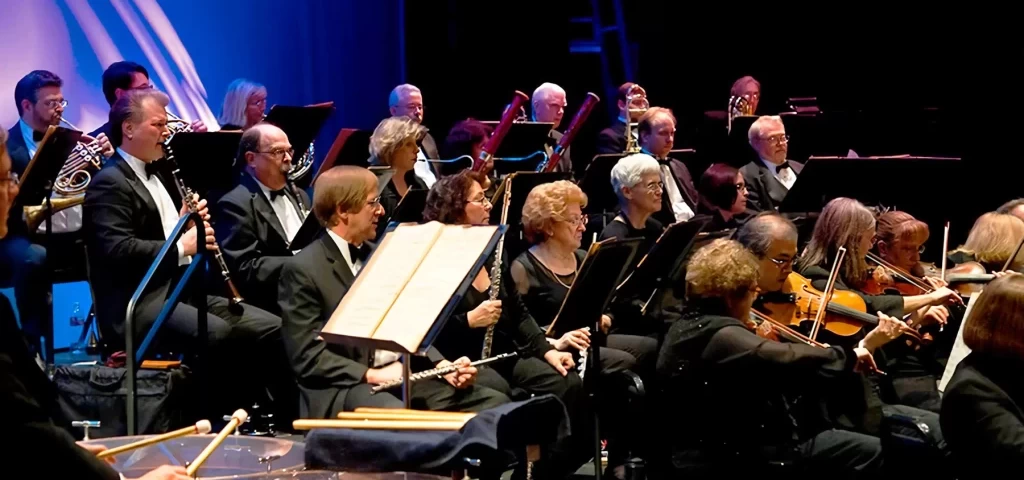
Orchestral Music Everywhere Right Now: Why You Hear It in Movies, Games, and Anime
Orchestral music everywhere right now isn’t your imagination. If modern pop culture feels more cinematic than ever, it is because creators keep reaching for the same powerful sound. They want emotion that lands instantly, and they want scale that feels bigger than the screen. As a result, orchestral music has become one of the most common “hidden” ingredients in the entertainment you already love.
That does not mean everything is suddenly “classical.” Instead, it means the orchestra has become a modern storytelling tool. It can whisper, glow, or hit like a wave. Most importantly, it can make a moment feel important in seconds.
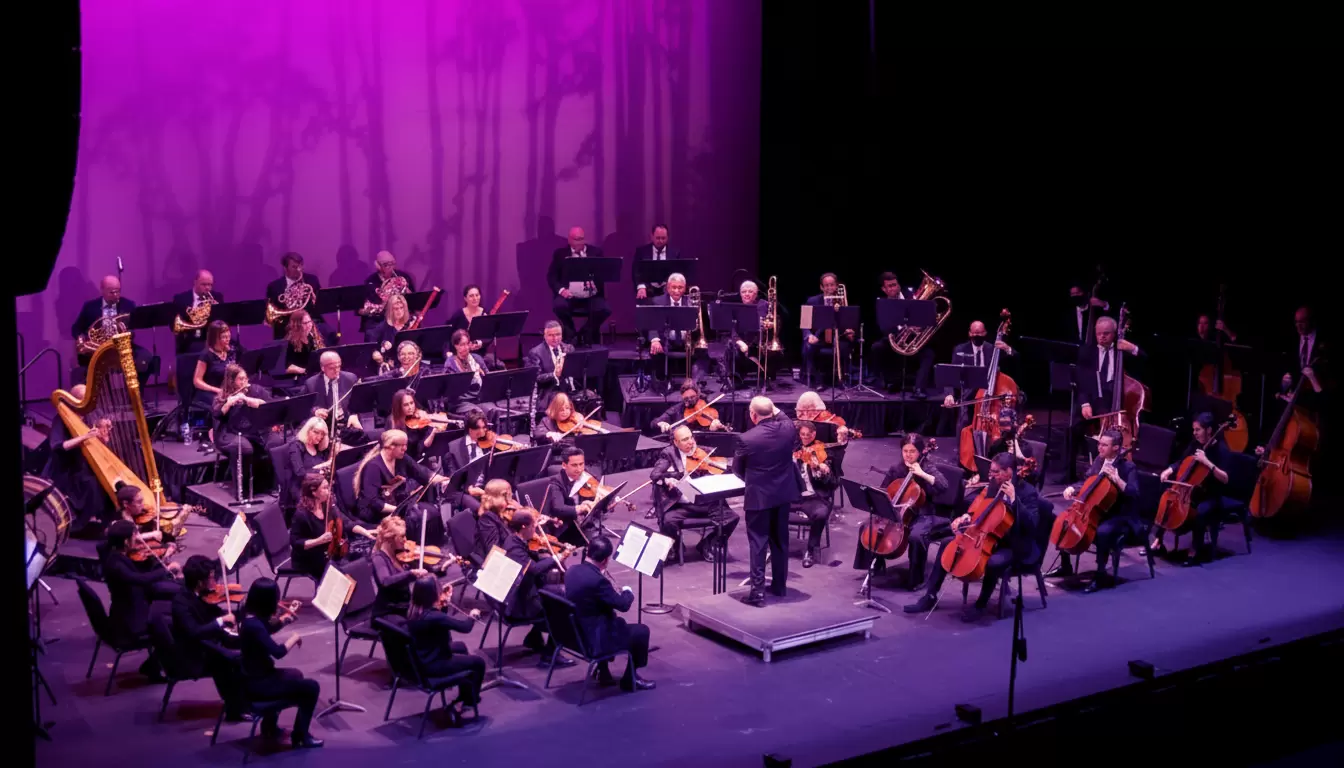
Film and television never stopped using orchestras. However, streaming has amplified the demand. There are simply more series, more episodes, and more original releases competing for attention. Because of that, composers score more scenes than ever, and many of those scenes still benefit from the depth of real strings, brass, and percussion.
Even when a score blends electronic textures, the orchestra often supplies the emotional core. For example, warm string chords can make a scene feel human, while a bold brass line can instantly signal danger or victory. In other words, the orchestra helps the story speak clearly, even when the dialogue does not.
Video games made orchestral sound feel normal for a generation
For many younger listeners, orchestral music did not come from a concert hall first. It came from video games. Over time, games adopted bigger and more cinematic scores because players respond to emotional storytelling. Consequently, many people grew up hearing orchestras during quests, boss fights, and quiet exploration moments without labeling the sound as “classical.”
That familiarity matters. When you already associate orchestral music with excitement, discovery, and emotion, hearing it live does not feel old-fashioned. It feels like stepping inside the worlds you love.
Anime helped turn orchestral music into global pop culture
Anime has also pushed orchestral music into the mainstream. Many anime scores rely on orchestral writing to create drama and emotional lift. Meanwhile, fans form strong connections to themes that represent characters, relationships, and pivotal moments. That is why anime music concerts draw enthusiastic audiences in many cities.
This is a key point: people are not showing up to “try classical music.” They are showing up because the music already matters to them. Once you see it that way, the orchestra becomes less like a tradition and more like a living part of modern culture.
Why the orchestra keeps winning: it delivers instant emotional scale
Modern life moves fast. Feeds refresh endlessly, and attention gets pulled in ten directions at once. Yet people still crave moments that feel real and complete. Orchestral music helps create that feeling because it can expand emotion without needing words.
Creators know this. When a trailer needs to feel epic, when a reveal needs to feel massive, or when a scene needs to break your heart, orchestral sound works quickly. That is exactly why orchestral music is everywhere right now, appearing across movies, streaming services, games, and fan culture.
Why live orchestras still matter in a screen-first world
A recorded score can be beautiful. However, a live orchestra is different because the sound is physical. It moves through the room, and it changes with each performance. You can feel the energy of dozens of people listening, reacting, and shaping the music together in real time.
That is also why a symphony concert can feel surprisingly modern. It is one of the rare experiences where you are fully present. You are not multitasking. You are not scrolling. Instead, you are sharing a real moment with other people.
If you love pop culture, you are already closer to the symphony than you think. The next step is simple: hear it live and feel the difference.
Explore what’s coming next:
Upcoming Concerts & Events.