
The Folk Songs Hidden Inside Classical Music
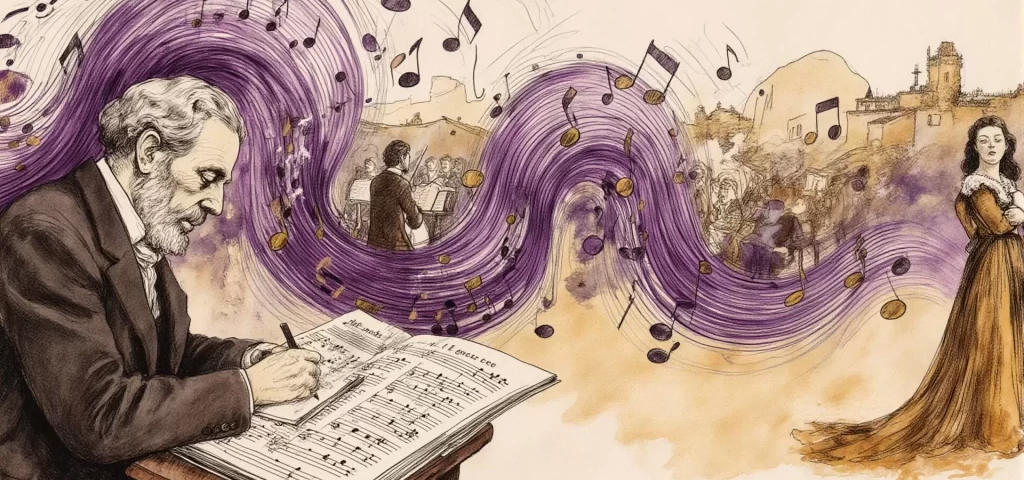
Folk songs in classical music are some of the most powerful and authentic sounds ever heard in the concert hall. Long before orchestras performed these melodies, they were sung by ordinary people in villages, farms, and community gatherings across Europe. Composers such as Béla Bartók and Antonín Dvořák recognized the beauty and emotional power of these traditional tunes and transformed them into orchestral music that continues to resonate with audiences today.
The connection between folk songs and symphonic music reveals something fascinating about classical music history: some of the most sophisticated orchestral works began as simple melodies passed down through generations. When composers brought these tunes into the concert hall, they preserved cultural traditions while creating something entirely new.
How Folk Songs in Classical Music Inspired Great Composers
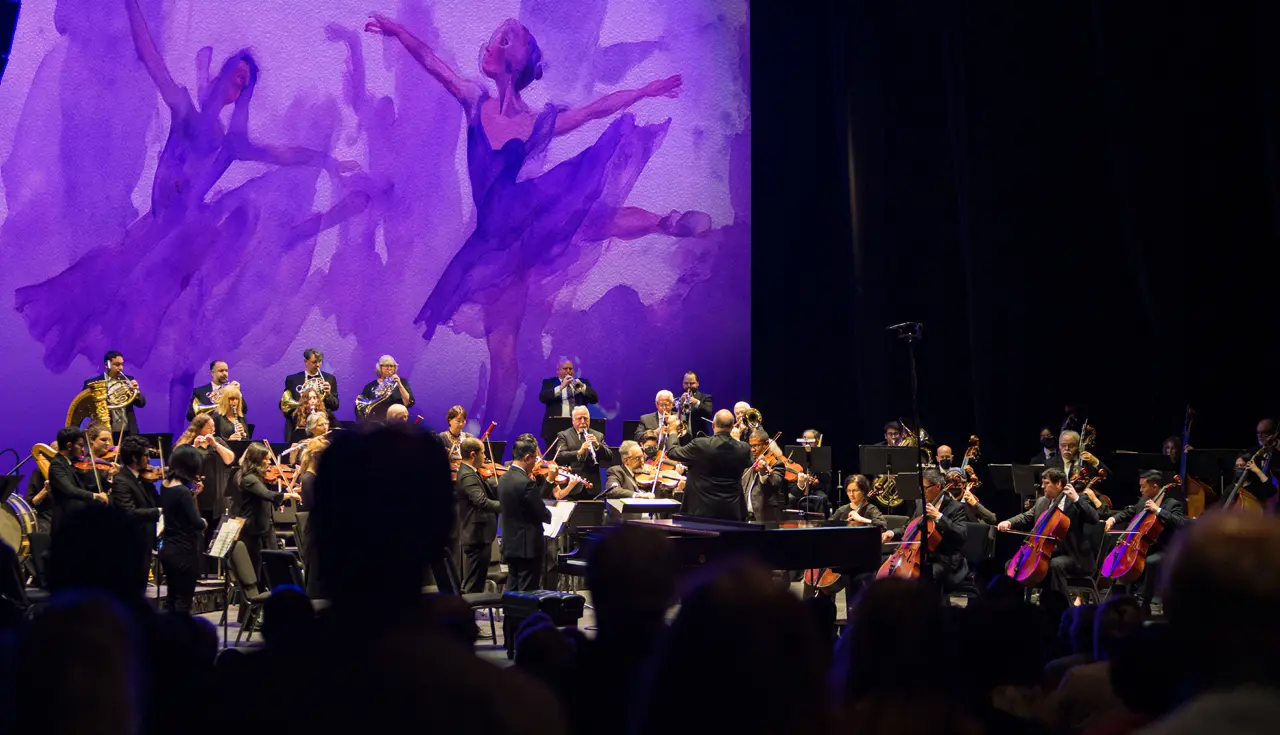
Throughout the 19th and early 20th centuries, composers across Europe began exploring the musical traditions of their home countries. Rather than relying only on academic traditions, they turned to the music of everyday people. This movement helped create a sense of national identity within classical music.
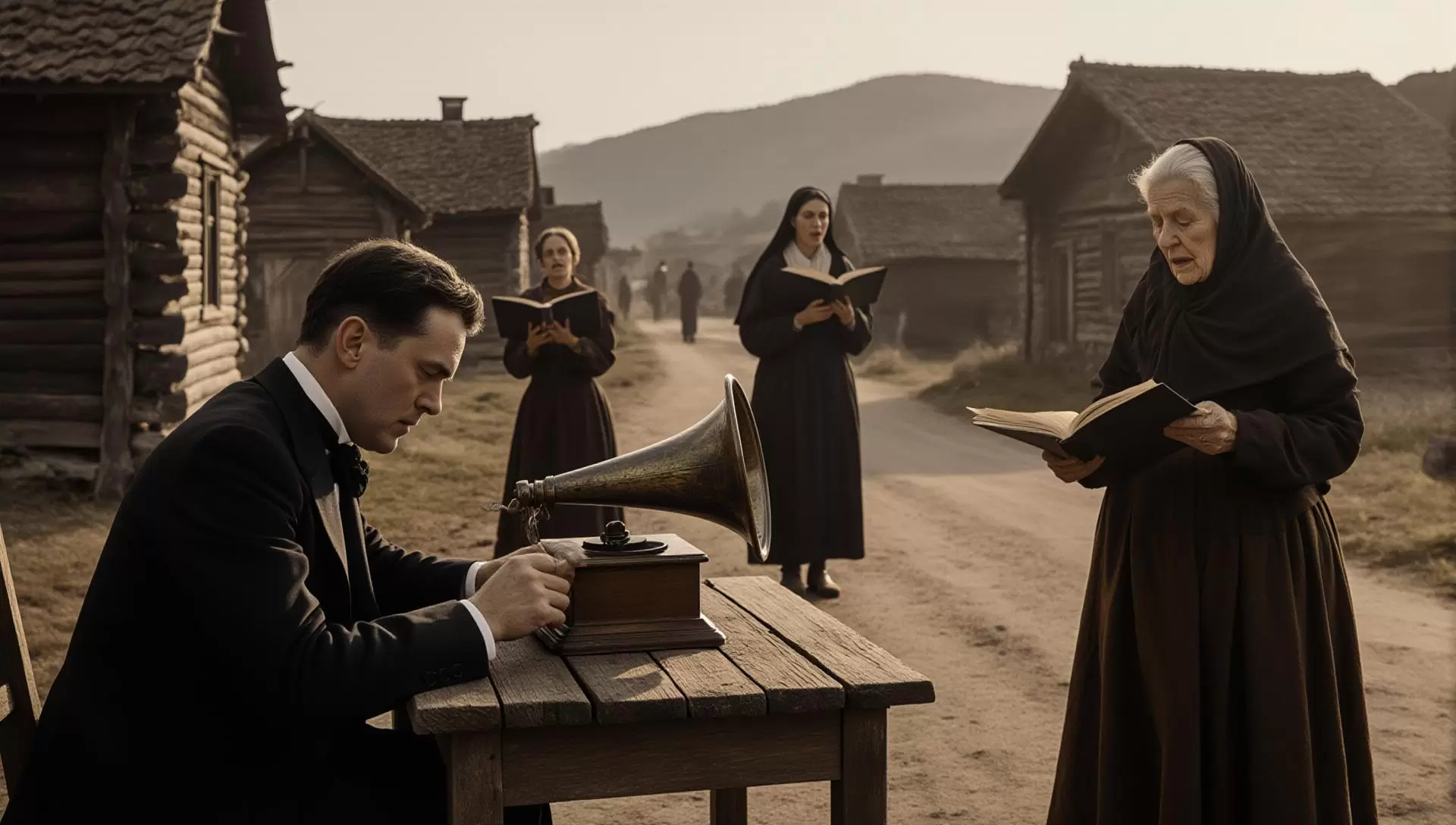
One of the most famous examples is Béla Bartók. Fascinated by traditional Hungarian music, Bartók traveled through rural villages carrying an early phonograph recording device. He documented thousands of folk melodies sung by farmers and villagers, carefully preserving musical traditions that might otherwise have disappeared. These recordings deeply influenced his compositions, including works such as Hungarian Pictures.
Bartók didn’t simply copy folk songs. Instead, he studied their rhythms, scales, and musical structures, weaving these elements into original orchestral works. The result was music that felt both ancient and modern at the same time.
Antonín Dvořák and the Power of Folk Traditions
Another composer strongly influenced by folk songs in classical music was Antonín Dvořák. Growing up in what is now the Czech Republic, Dvořák was surrounded by traditional dance music and folk melodies. These musical traditions shaped many of his compositions, giving them a distinctive energy and warmth.
When Dvořák later traveled to the United States, he famously encouraged American composers to draw inspiration from local musical traditions, including African American spirituals and Native American melodies. He believed that the most meaningful national music comes from the voices of everyday people.
This philosophy helped shape some of his most beloved works, including the New World Symphony. While the piece was written for the concert hall, its spirit reflects the deep influence of folk music traditions.
Why Folk Songs in Classical Music Still Matter Today
The influence of folk songs in classical music reminds us that great art often begins with simple human expression. These melodies were never meant for grand concert halls—they were sung during daily life, celebrations, and gatherings within communities.
When composers like Bartók and Dvořák brought these melodies into orchestral music, they created something remarkable: a bridge between everyday life and the symphonic stage. Audiences today still respond to these works because the melodies feel natural, emotional, and deeply human.
Next time you hear an orchestral piece inspired by folk traditions, remember that the music may have begun centuries ago in a small village, carried forward through generations before finally reaching the concert hall.