

Why Eastern European Classical Music Feels So Cinematic
Eastern European classical music often feels incredibly vivid and cinematic. Even without a screen in front of us, the music seems to tell stories, paint landscapes, and build emotional drama. Composers such as Béla Bartók and Antonín Dvořák created orchestral works that feel almost like film scores—decades before cinema even existed.
One reason is the powerful influence of folk traditions. Many melodies that appear in symphonies and orchestral pieces originally began as songs sung in villages and countryside gatherings. When composers brought those melodies into orchestral music, they preserved the storytelling energy already present in the folk tradition.
“Some of the most cinematic orchestral music ever written began as melodies sung by ordinary people.”
How Eastern European Classical Music Creates Musical Drama
Much of Eastern European classical music grew out of strong storytelling traditions. Folk songs were often connected to dances, celebrations, and community gatherings. These melodies carried emotion, rhythm, and cultural identity.
When composers transformed these melodies into orchestral works, they naturally created music that feels dramatic and visual. Sweeping melodies, bold rhythms, and colorful orchestration make the music feel almost like scenes unfolding in a film.
These musical qualities are exactly what modern film composers later adopted for movie scores.
Béla Bartók and the Power of Folk Music
Hungarian composer Béla Bartók is one of the most famous figures associated with Eastern European classical music. In the early 1900s he traveled through rural villages with an early phonograph recording device, documenting traditional folk songs performed by villagers.
These recordings profoundly shaped his musical language. Bartók didn’t simply copy the melodies—he studied their rhythms, scales, and expressive qualities, then incorporated those ideas into modern orchestral compositions.
“Bartók believed the true voice of music could be found in the songs of ordinary people.”
Because of this deep connection to folk traditions, Bartók’s music often feels energetic, dramatic, and full of movement.
Antonín Dvořák and the Voice of Folk Tradition
Czech composer Antonín Dvořák also drew enormous inspiration from folk traditions. Growing up in Bohemia, he was surrounded by traditional dance rhythms and village melodies that later shaped his symphonic writing.
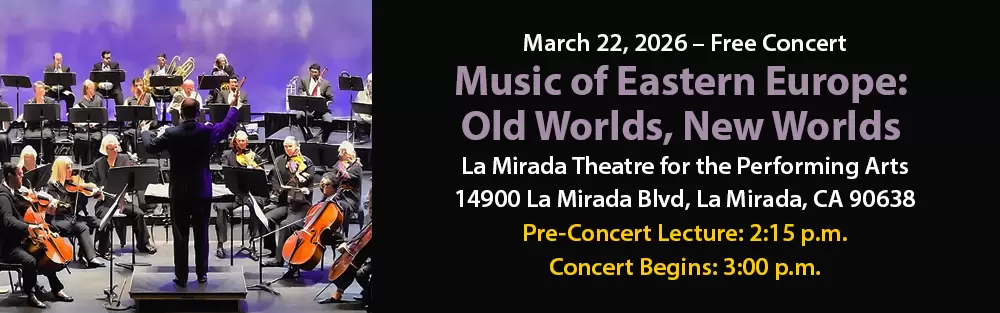
Dvořák believed that great national music should grow from the culture of its people. This belief shaped many of his orchestral works, giving them a distinctive melodic warmth and emotional immediacy.
“The future music of this country must be founded upon what are called the Negro melodies.” — Antonín Dvořák
During his time in the United States, Dvořák encouraged American composers to study African American spirituals and Native American music. His famous New World Symphony reflects that philosophy and remains one of the most cinematic symphonies ever written.
Why This Music Sounds Like Film Scores
Modern audiences often describe Eastern European classical music as sounding like a movie soundtrack. The reason is that film composers later adopted many of the same musical ideas.
These include sweeping melodies, bold rhythmic energy, dramatic orchestration, and strong emotional storytelling. These musical tools allow composers to create vivid imagery purely through sound.
In many ways, the sound of modern film music owes a great deal to the traditions shaped by composers like Bartók and Dvořák.
From Village Melodies to the Symphony Hall
The history of Eastern European classical music reminds us that great orchestral works often begin with simple human expression. The melodies heard in concert halls today were once sung in homes, villages, and community gatherings.
When composers transformed those melodies into symphonic music, they preserved centuries of cultural storytelling.