
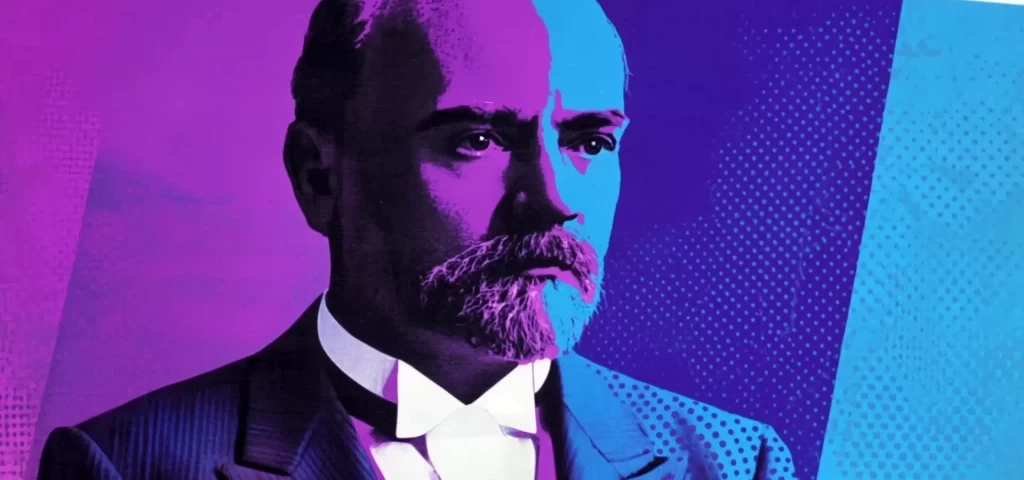
Dvořák Symphony No. 9: How “From the New World” Became an All-Time Classic
If classical music had a greatest-hits playlist, Dvořák Symphony No. 9—often called the “New World Symphony”—would be right near the top, maybe even track one. It is dramatic, instantly recognizable, deeply emotional, and somehow manages to feel both grand and personal at the same time.
Composed in 1893 while he was in New York, the symphony reflects what happens when a world-class composer lands in a new place, listens closely, and turns that experience into sound. For more context on Dvořák’s life and career, see Encyclopaedia Britannica.
Rather than simply importing European tradition to America, Dvořák did something unusual for a composer of his stature: he listened.
“I am convinced that the future music of this country must be founded upon what are called Negro melodies.”
— Antonín Dvořák, 1893
A Czech Composer in America’s Cultural Experiment
Dvořák arrived in New York in 1892 at a moment when the United States was still searching for a distinct musical identity. Concert halls leaned heavily on European masters, and American composers were often encouraged to imitate them. Dvořák believed something different: that American music should grow from its own cultural soil.
He became fascinated by the musical character of African American spirituals and Native American traditions, not as material to copy, but as a source of rhythm, contour, and emotional directness. The result is the rarest kind of cultural meeting point: a major symphony that feels both rooted and curious, confident and searching.
That mix also explains why the nickname “From the New World” stuck. The title feels like a postcard, but the music feels like a diary.
The Premiere That Made History
Symphony No. 9 premiered on December 16, 1893, at Carnegie Hall, performed by the New York Philharmonic and conducted by Anton Seidl. Reports from the time make it clear the premiere landed as a big deal, not a polite debut. If you want the historical snapshot, this overview from History.com is a solid starting point.
For audiences, the symphony felt both new and deeply familiar—a balance that few works ever achieve.
“It must take its place among the finest works in this form produced since the death of Beethoven.”
— The New York Times, 1893
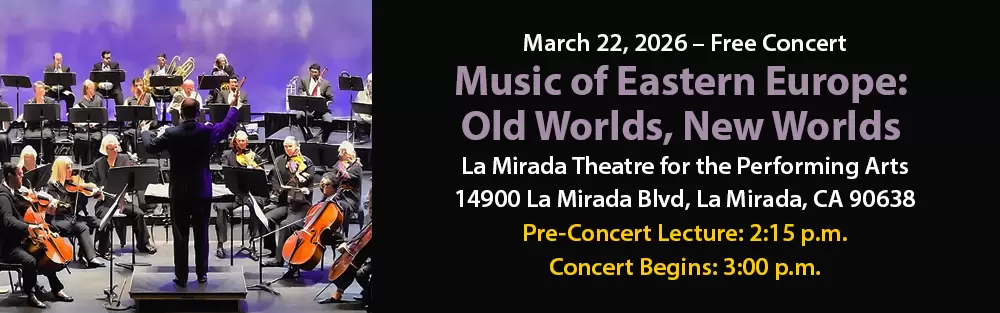
Why Dvořák’s Symphony No. 9 Feels Cinematic and Familiar
One reason the “New World Symphony” keeps winning over first-time listeners is its storytelling. Long before film scores existed, this music moves like a movie: suspense, wide horizons, sudden intimacy, then a finale that feels like it has been charging toward you the entire time.
The opening movement arrives with mystery and momentum. The second movement, Largo, slows the world down. The third dances with restless energy. The finale pushes forward with urgency, pulling earlier ideas back into the spotlight so the ending feels earned, not just loud.
The Largo: A Melody That Feels Like a Memory
The Largo is the emotional core of the symphony. Its English horn melody can sound like a tune you have always known, even if you cannot place it. That is part of the magic: it feels folk-like without being a direct folk quote, like a memory your brain is trying to finish.
Later, the melody became widely associated with the song “Goin’ Home,” when lyrics were added after the symphony’s success. But in the concert hall, the theme remains what it has always been: a quiet, human voice in the middle of a giant journey.
This is music that feels like remembering something you have never personally lived.
Is the “New World Symphony” Really American?
Yes and no, which is exactly why it is so interesting. The symphony is built with European symphonic craft, but it is energized by what Dvořák believed America could become musically. It is not a souvenir. It is a conversation.
That matters because it reframes the whole work. Instead of “Europe visits America,” it becomes “a composer in motion,” absorbing, translating, and responding. The piece is less about planting a flag and more about asking a question: what does a national sound feel like when it is still being invented?
Why “From the New World” Still Matters Today
More than 130 years after its premiere, Dvořák Symphony No. 9 remains one of the most frequently performed orchestral works worldwide. It keeps returning because the emotions inside it are timeless: leaving home, discovering something vast, feeling wonder, feeling loss, and trying to make meaning out of all of it.
Some music fades into history. Some music transcends it.
Dvořák’s Ninth does not just belong to the past—it keeps traveling forward.