

Fiddler on the Roof Medley for Saxophone, Trumpet, Cello, and Piano: A Fresh Take on a Beloved Classic
From the very first phrase, this arrangement draws listeners in with a bold and vivid reinterpretation of Jerry Bock and Sheldon Harnick’s legendary score. Because the original music blends humor, heartache, celebration, and cultural identity, it adapts beautifully to a smaller ensemble. As a result, the familiar melodies take on new emotional shades, allowing audiences to connect with the story in a deeper and more personal way.
Why Fiddler on the Roof Still Resonates
Since its Broadway premiere in 1964, Fiddler on the Roof has captivated audiences around the world. The story of Tevye and his daughters continues to resonate because it explores universal themes: tradition, family, faith, and the tension between old and new. As Tevye wrestles with change, we recognize our own questions about identity and belonging.
Because the musical is built on strong recurring themes, it lends itself naturally to medley arrangements. Many performances draw on beloved songs such as:
- Tradition
- Matchmaker, Matchmaker
- If I Were a Rich Man
- Sunrise, Sunset
- To Life
- The Wedding Dance
When these pieces are woven together, they trace the emotional journey of the musical—from the declaration of long-standing customs to moments of love, hope, joy, and bittersweet farewell. In a chamber setting, that journey becomes even more focused, and every musical gesture feels closer and more direct.
How This Unique Instrumentation Brings the Story to Life
Although the original Broadway orchestration uses a larger pit ensemble, this medley proves how powerful a small group of instruments can be. Each member of the quartet contributes a distinct voice, and together they create a full and colorful sound.
Saxophone – The Storyteller
The saxophone shapes phrases with a vocal-like quality, almost as if Tevye himself is speaking through the instrument. It handles both lyrical passages, such as lines from Sunrise, Sunset, and more rhythmically driven, folk-influenced sections with equal ease. In addition, its flexibility allows it to shift quickly between humor and poignancy.
Trumpet – The Spark of Celebration
The trumpet brings brilliance and energy to the ensemble. In upbeat selections like To Life or the wedding dances, it becomes the sonic spark that drives each celebration forward. Yet it can also soften into a muted, reflective color, adding a sense of distance and memory when the story turns more serious.
Cello – The Emotional Core
The cello provides warmth, depth, and gravity. Its rich tone carries the weight of family ties and generational change. At times, it supports the harmony from below; at other moments, it steps forward as a solo voice, mirroring the emotional core of Anatevka and its people.
Piano – The Foundation and Frame
The piano serves as the foundation for the entire medley. It supplies the harmonic structure, outlines dance rhythms, and ties all the lines together. In many ways, it acts as the orchestra in miniature, framing the voices of the saxophone, trumpet, and cello while also adding its own colors and textures.
Together, these four instruments move seamlessly from quiet introspection to exuberant dance, from intimate solo lines to full-ensemble climaxes. Consequently, the quartet can mirror the emotional range of the original musical while offering a fresh listening experience.
A Journey Through the Medley
This Fiddler on the Roof medley unfolds like a condensed version of the musical itself. It guides the listener through a sequence of moods and memories that feel both familiar and newly discovered.
First, the medley often opens with the bold declaration of Tradition, inviting listeners directly into Tevye’s world and its long-established customs. Then the mood shifts into the lighter, more playful character of Matchmaker, Matchmaker, where hope and curiosity take center stage.
Next, the music turns inward with If I Were a Rich Man. Here, the saxophone or cello may step forward to express Tevye’s dreams, supported by gently pulsing piano lines and delicate trumpet interjections. After that, the medley softens into the reflective beauty of Sunrise, Sunset, capturing the passage of time and the tender emotions of watching children grow up.
Finally, the energy builds into the celebratory spirit of To Life and the lively wedding dances. In these closing sections, the full quartet shines. The trumpet and saxophone trade energetic lines, the cello adds rhythmic drive, and the piano propels the music forward. As a result, the medley ends with a sense of resilience and joy, even as it hints at the challenges the characters face.
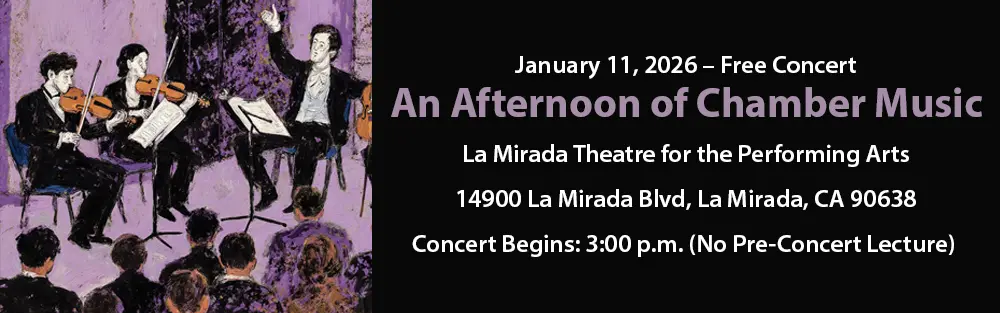
Why You Don’t Want to Miss the January 11 Performance
Hearing this medley live on January 11 offers more than nostalgia. It creates a new way to experience a familiar story. Because the arrangement reduces the score to four voices, listeners can focus on inner details—small countermelodies, subtle harmonies, and expressive phrasing—that might be overlooked in a larger production.
Moreover, the blend of saxophone, trumpet, cello, and piano bridges several musical worlds at once: Broadway, classical chamber music, and folk-inspired dance. This combination makes the performance inviting for longtime fans of the musical as well as for listeners discovering the story for the first time.
Ultimately, this Fiddler on the Roof medley becomes more than a collection of favorite tunes. It turns into a conversation across generations and cultures, reminding us that tradition and change often walk side by side. At the January 11 concert, audiences will not only revisit a beloved classic but also hear it in a new, compelling voice.