
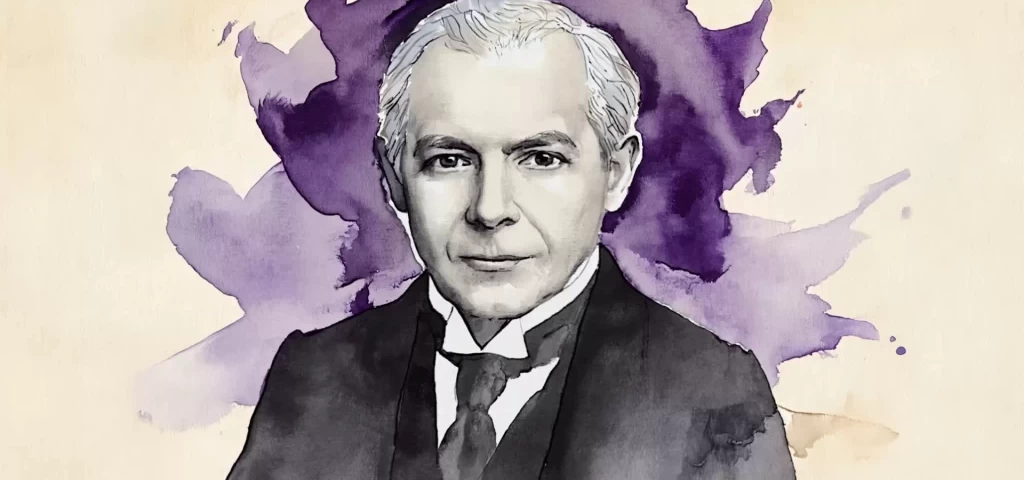
Hungarian Pictures by Béla Bartók: Folk Traditions Reimagined for the Symphony

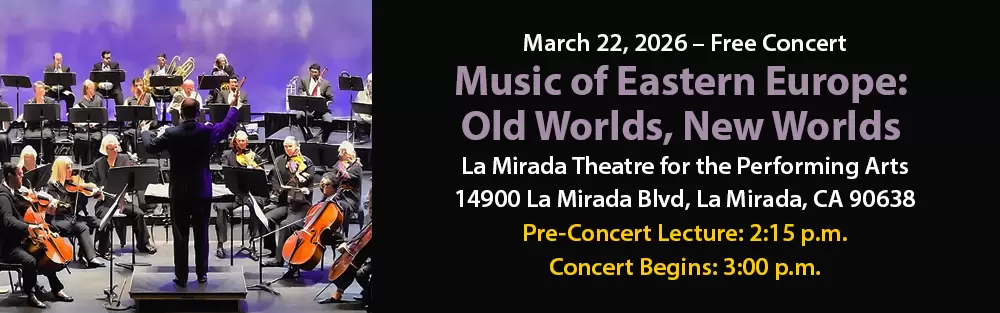
When the audience gathers at the La Mirada Theatre for the Performing Arts on March 22, 2026 for Music of Eastern Europe: Old Worlds, New Worlds, they’ll hear music that bridges centuries of tradition with the bold energy of the modern world. At the heart of that journey is Hungarian Pictures by Béla Bartók, a vivid orchestral suite that transforms Hungarian folk traditions into concert hall storytelling.
Hungarian Pictures by Béla Bartók: From Fieldwork to the Concert Hall
Bartók was not only a composer but also a pioneering ethnomusicologist. In the early 20th century, he traveled through Hungary, Transylvania, and surrounding regions, recording and transcribing folk songs directly from villagers. These melodies, passed down orally for generations, became the raw material that shaped his musical voice.
The piano pieces that would later become Hungarian Pictures by Béla Bartók were written during this period of intense research. In 1931, Bartók returned to this material and orchestrated it, using color, rhythm, and texture to bring these compact musical scenes vividly to life.
Five Musical Snapshots of Village Life
Rather than telling a single narrative, Hungarian Pictures unfolds as a series of short musical scenes, each capturing a distinct mood or moment drawn from rural life.
An Evening in the Village opens the suite quietly, evoking the stillness of dusk. Bear Dance follows with heavy, playful rhythms that feel intentionally rough-edged. Melody offers lyrical simplicity, while Slightly Tipsy introduces off-balance rhythms that sway with humor. The suite closes with Swineherd’s Dance, a driving and earthy celebration rooted in communal movement.
Traditional Roots, Modern Sound
What makes Hungarian Pictures by Béla Bartók so compelling is its balance of tradition and innovation. Folk rhythms and modal melodies remain intact, but they are shaped through lean orchestration and modern harmonic language. Bartók does not treat folk music as nostalgia; he presents it as living, adaptable, and relevant.
Publishers and scholars such as Boosey & Hawkes and academic institutions including Oxford Music Online consistently cite this work as a clear example of Bartók’s ability to elevate folk material into modern concert art.
Why Hungarian Pictures Belongs in “Old Worlds, New Worlds”
The La Mirada Symphony’s program Music of Eastern Europe: Old Worlds, New Worlds celebrates how cultural traditions evolve across time and geography. Hungarian Pictures embodies this idea perfectly: music drawn from old village traditions and reshaped into a modern orchestral language.
Experience Hungarian Pictures Live on March 22, 2026
The La Mirada Symphony invites audiences to experience Hungarian Pictures by Béla Bartók on Sunday, March 22, 2026 at the La Mirada Theatre for the Performing Arts. The concert also features Alexander Arutunian’s Trumpet Concerto and Antonín Dvořák’s Symphony No. 9, From the New World. A pre-concert lecture begins at 2:15 p.m., followed by the performance at 3:00 p.m.
Music of Eastern Europe: Old Worlds, New Worlds – March 22, 2026
.