
Why Eastern European Music Feels So Cinematic and Emotional

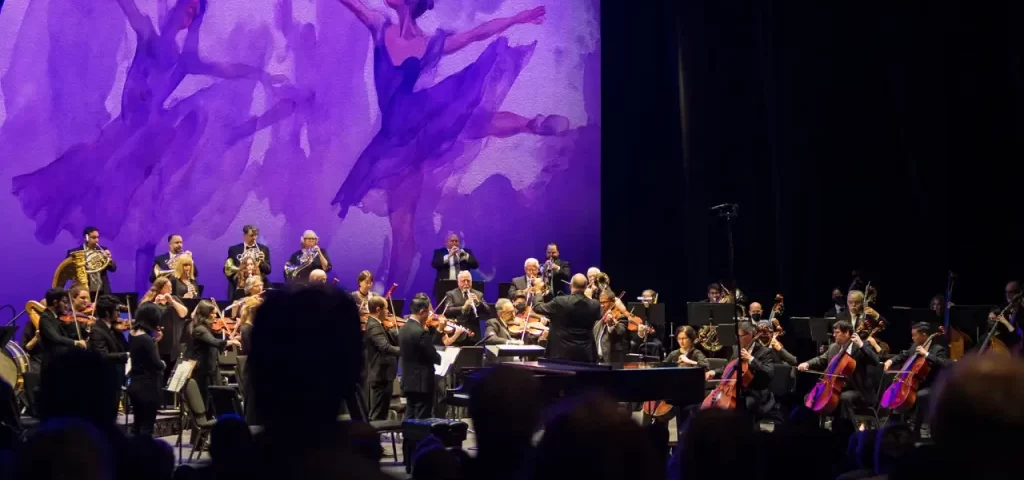
Eastern European orchestral music has a way of pulling people in quickly. Even listeners who do not follow classical music closely often describe it as cinematic or story-driven. The melodies feel clear, the emotions feel direct, and the music often unfolds with a strong sense of movement. Much of that reaction comes from how clearly this music communicates mood. It builds tension, releases it, and moves through emotional contrasts that feel like a story unfolding in sound.
That response is also shaped by familiarity. Modern audiences have spent decades absorbing orchestral storytelling through film and television. As a result, when a concert piece uses similar tools such as momentum, atmosphere, color, and emotional pacing, it can feel instantly recognizable, even when the music itself is new to the listener.
Music Rooted in Folk Traditions and Everyday Life
A major ingredient in this repertoire is the influence of regional folk music. Across Central and Eastern Europe, composers drew on local dance rhythms, melodic shapes, and performance styles. In some cases, that influence was scholarly as well as artistic. Béla Bartók and Zoltán Kodály are widely known for collecting, transcribing, and studying folk songs, and Bartók’s own music shows how deeply he valued the rhythmic flexibility and expressive power of these traditions.
This connection matters because folk-rooted ideas tend to communicate quickly. Dance rhythms suggest motion and energy, while song-like melodies feel natural and human. They do not require technical knowledge to appreciate. When composers expand these elements for full orchestra, they can also create vivid atmosphere, which helps explain why listeners often associate this sound with cinematic storytelling.
Why the Emotion Can Feel So Intense
Eastern European music is often associated with strong emotional contrasts. Listeners frequently hear moments of intimacy followed by sudden energy, or restraint followed by release. Rather than applying this idea to every piece, it is more accurate to say that many works from the region make expressive use of dynamics, pacing, and orchestral color. These tools can create a powerful emotional experience for audiences.
In practice, this means the music can feel both personal and expansive. A quiet line in the strings may draw listeners inward, while a full-orchestra arrival can feel overwhelming in the best way. That wide dynamic range is also one reason this repertoire thrives in a concert hall.
Why It Sounds Familiar to Film and TV Audiences
The cinematic feeling also has a clear historical connection. In the early decades of Hollywood, many composers and musicians migrated to the United States from Central and Eastern Europe. They brought European symphonic traditions into the developing language of the film score. Over time, techniques that worked well in the concert hall, such as dramatic contrast, bold orchestration, and strong atmosphere, also proved effective on screen.
When modern listeners hear music that combines folk-inspired energy with rich orchestral writing, it can easily register as film-like. In many cases, concert music did not copy film music. Instead, both traditions share a musical vocabulary that audiences now recognize right away.

King Kong (1933) is often cited as a turning point in film history, when symphonic, emotionally driven music became central to Hollywood storytelling. The score was written by Max Steiner, a Viennese-trained composer whose late-Romantic Central European musical background helped shape the dramatic, cinematic sound audiences still recognize today.
Why You Should Hear It Live
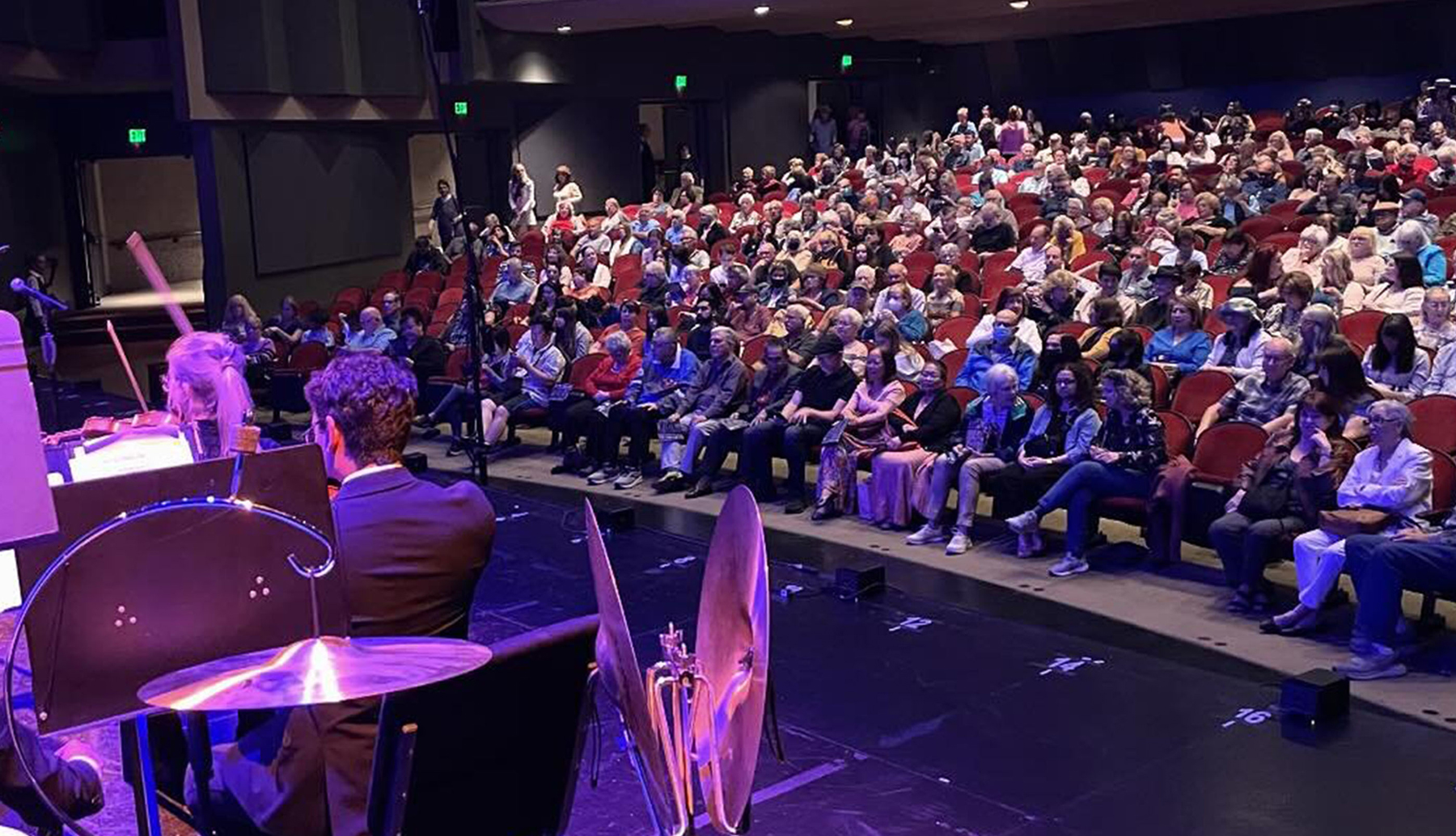
Recordings can be wonderful, but live performance adds a physical dimension. Rhythms feel more immediate when you can sense the orchestra moving together. Soft moments feel more intimate when the hall becomes completely quiet. When the full ensemble opens up, the impact feels shared and powerful.
This is especially true for music that relies on color and contrast. Hearing the orchestra shift from dark, earthy textures to bright, soaring climaxes in real time makes the story of the music unmistakable.
Experience This Music Live on March 22
The La Mirada Symphony will explore these sounds and traditions in its upcoming concert, Music of Eastern Europe: Old Worlds, New Worlds, on Sunday, March 22, 2026 at the La Mirada Theatre for the Performing Arts. Admission is free, and the concert is open to the entire community.
If you want an afternoon of music that feels dramatic, immersive, and deeply human, this program is a great place to start. Bring a friend, arrive early, and experience the power of this repertoire in the best possible way: live.