
Why Live Music Still Matters in a World of Streaming, Shorts, and AI

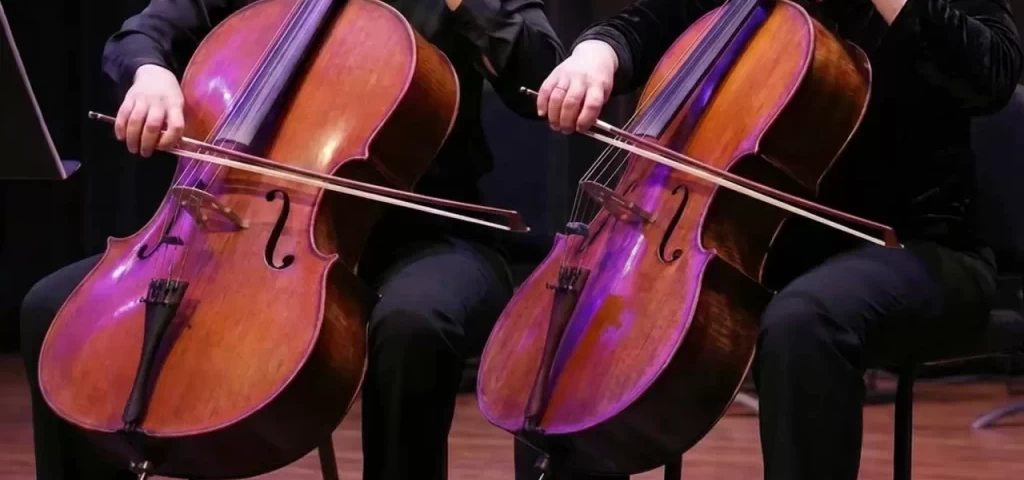
A live chamber music concert offers something rare in a world of streaming, short videos, and AI: real presence. Today, almost everything arrives instantly. Music streams without effort. Short videos appear in quick bursts. Algorithms decide what we see, hear, and scroll past next. At the same time, artificial intelligence can create songs, copy styles, and produce music on demand.
Despite all this ease, something essential continues to fade.
What often gets lost is the experience of music happening in the room.
Live music asks something different of us. Instead of multitasking, it encourages a pause. Rather than skipping ahead, it invites careful listening. In a culture shaped by speed and constant choice, this shared experience feels rare and deeply meaningful.
What Technology Can’t Replace
Recorded music remains remarkable. Streaming places centuries of music within easy reach, and that access truly matters. Still, live music offers qualities recordings cannot fully capture.
At its core, live performance involves risk.
A live performance happens only once. Notes rise into the air and then disappear. Musicians react in real time, responding not only to one another, but also to the room itself—the sound, the audience, and the feeling of the moment. When a phrase lands just right, the impact feels immediate. When silence appears between notes, it carries weight.
For this reason, algorithms cannot recreate a live performance.
Live music does not chase perfection. It avoids compression. Rather than fading into the background, it demands attention and presence.
 Why a Live Chamber Music Concert Feels Especially Human
Large orchestral works often feel cinematic. By contrast, chamber music feels personal.
No conductor stands between the musicians. Instead, players listen closely to one another. They watch breaths, respond to small changes in tempo, and shape phrases together in real time. Because of this close exchange, the music unfolds like a conversation rather than a presentation.
For listeners, this closeness changes everything. Eye contact becomes visible. Tension rises and resolves. Musical ideas pass clearly from one instrument to another.
Rather than overwhelming the audience, chamber music draws people closer.
Chamber music, by definition, focuses on small ensembles and close musical communication—a tradition explained well in this overview of chamber music.
A Live Experience, Right Here
Fortunately, these moments do not exist only in large cities or famous halls. They happen locally, in shared spaces, where neighbors sit together and experience the same performance.
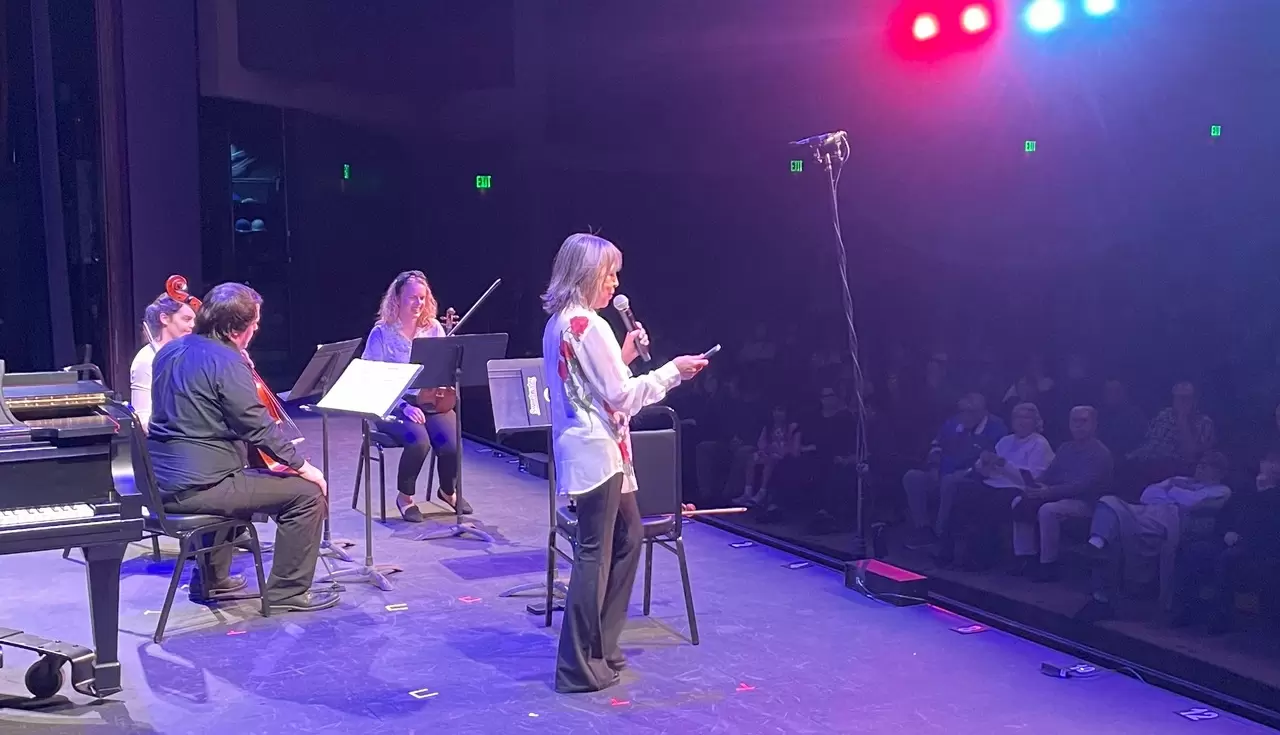
This approach has long shaped the mission of the La Mirada Symphony. The organization works to make live classical music accessible, welcoming, and human. By offering free concerts, it removes barriers and reminds audiences that this music belongs to everyone.
At its heart, this philosophy rests on a simple idea: culture thrives when people share it.
An Afternoon of Chamber Music — January 11
On January 11, that idea comes to life with an Afternoon of Chamber Music—an intimate concert that highlights everything live performance does best.
This program invites listeners to experience music up close. Focus matters here. Small details emerge. The connection between musicians and audience feels direct and real.
At a time when much of our cultural life unfolds through screens, an afternoon like this offers something rare: full attention.
No scrolling. No distractions. Instead, music unfolds moment by moment.
Why It Still Matters
Live music continues to matter not because it competes with technology, but because it offers something technology cannot provide.
It reminds us how to listen.
It reminds us how to gather.
It reminds us that some experiences deserve to be lived, not consumed.
As our world grows faster and more automated, moments like these become even more valuable. Experiences like a live chamber music concert remind us why shared listening still matters.
Concerts like the January 11 performance remain free and open thanks to community support. People give because they believe live music still matters and because they want it available to everyone.
In a world filled with endless content, choosing to sit and listen may seem like a small act. Even so, that choice connects us—to the music, to the musicians, and to one another.
That connection is worth preserving.