

Brahms Trio for Clarinet, Cello, and Piano: A Masterpiece of Late Romantic Intimacy
Liner Notes From the Archive
Music History
Brahms Trio for Clarinet, Cello, and Piano: A Masterpiece of Late Romantic Intimacy
Brahms’s Trio for Clarinet, Cello, and Piano is one of the most intimate and emotional works of the Romantic era—written after the composer came out of retirement, inspired by a clarinetist whose playing completely reignited his creativity. Hear this gorgeous masterpiece live at our free January 11 chamber concert.
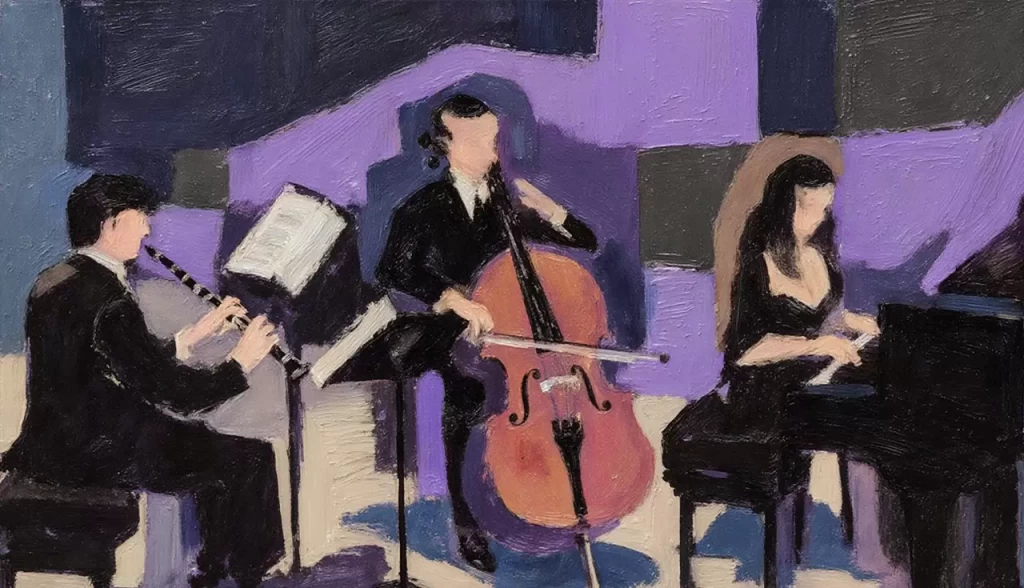
Performed live at our January 11 concert, this beloved trio reveals Johannes Brahms at his most lyrical, introspective, and emotionally rich.
Why Brahms Returned from Retirement to Write This Trio
Johannes Brahms had famously retired from composing—until he heard the clarinet playing of Richard Mühlfeld, a musician whose artistry inspired him deeply. Mühlfeld’s expressive tone sparked a new creative period for Brahms. As a result, Brahms wrote several works for the clarinet, including this extraordinary trio, which blends the clarinet and cello in a sound world unlike anything else in his catalog.
This trio not only revived Brahms’s creativity but also opened the door to some of the most soulful music of his final years.
A Perfect Conversation Between Three Voices
The trio features three distinct, beautifully balanced voices:
- Clarinet – warm, lyrical, and vocal in its phrasing
- Cello – rich, grounding, and deeply expressive
- Piano – a shimmering foundation that supports and responds to the other instruments
Each instrument speaks individually, yet together they create a tapestry of sound that feels both intimate and expansive. Brahms masterfully balances all three voices, allowing them to weave in and out of each other with graceful fluidity.
A Journey Through Four Stunning Movements
I. Allegro – A Gentle Opening Filled With Warmth
The first movement welcomes the listener with a heartfelt melody. Brahms sets the tone immediately—lush, reflective, and emotionally resonant. The clarinet and cello trade phrases as the piano supports and colors the harmony.
II. Adagio – A Deep, Poetic Meditation
The slow movement feels almost like a personal confession. The clarinet sings above a quiet backdrop, creating one of Brahms’s most moving musical statements. The atmosphere is tender, introspective, and full of quiet intensity.
III. Andante grazioso – A Graceful Dance
Lightness emerges here. Through elegant lines and gentle motion, Brahms gives the ensemble room to breathe. The music has a graceful, almost dance-like quality that provides contrast to the darker, more reflective movements.
IV. Allegro – A Vibrant and Joyful Finale
The trio ends with energy and optimism. While still reflective, the music ultimately shines with warmth and celebration. The final movement brings together the work’s emotional threads in a satisfying and uplifting conclusion.
Why This Trio Feels So Special in Live Performance
Hearing this piece live allows the audience to experience the unique blend of clarinet and cello, a combination that feels both fresh and timeless. The interplay between the performers becomes a living conversation—one that changes subtly with each moment.
Live performance reveals:
- the trio’s delicate balance
- its colorful harmonies
- its quiet emotional power
These qualities create a powerful connection between musicians and audience, especially in the intimate setting of a chamber concert.
Hear the Brahms Clarinet Trio Live on January 11
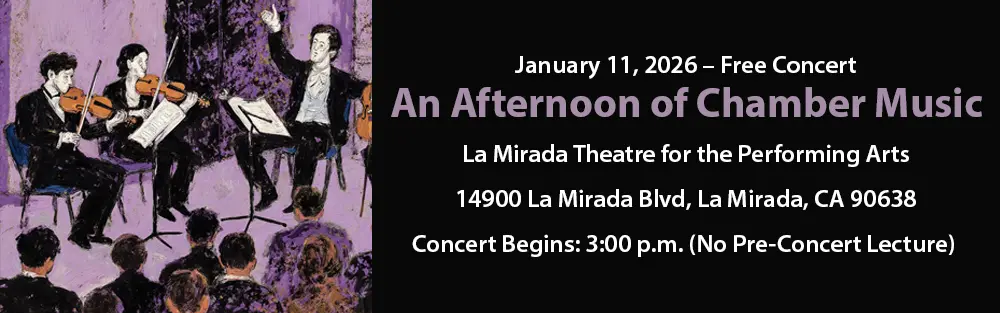
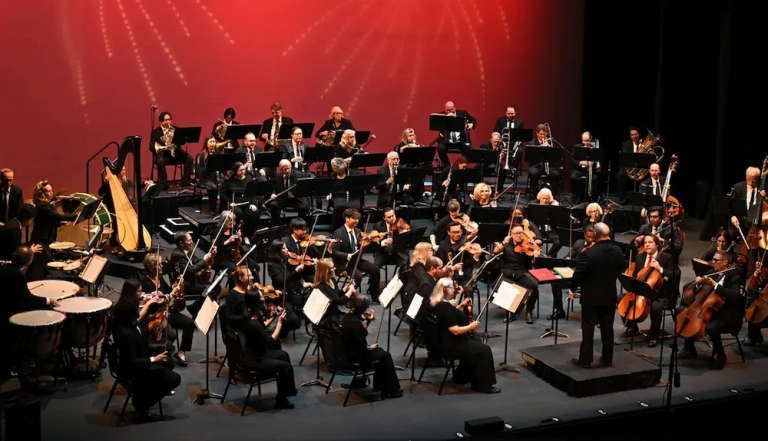
This beautiful trio will be performed at our upcoming January 11, 2026 concert, part of our chamber music series at the La Mirada Theatre for the Performing Arts. Admission is free, and the performance promises an intimate afternoon of world-class music.
Keep Reading
Oct 5, 2026
Why Does Music Give You Goosebumps?
Sep 28, 2026
Why Did Russian Composers Become Obsessed With Spain?
Sep 21, 2026